
Exploring Social Phenomena in Urban China Today
- Date:
- Views:256
- Source:The Silk Road Echo
Urban China is buzzing, transforming at a pace that leaves even the most seasoned observers breathless. From sky-high apartment blocks to digital wallets replacing cash, the social fabric of Chinese cities is undergoing a seismic shift. But what's really going on beneath the surface? Let’s dive into the trends shaping daily life—from digital dependency to housing pressures, and the evolving role of youth culture.
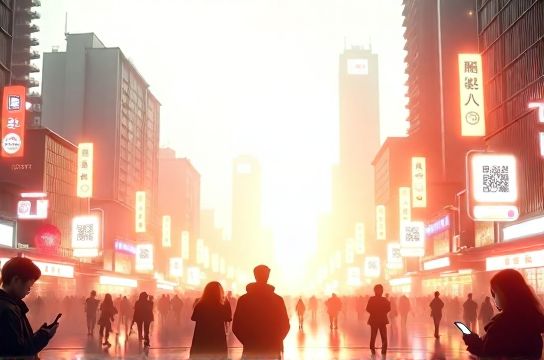
The Digital Revolution: Life in the Palm of Your Hand
Gone are the days of fumbling for change. In cities like Shanghai and Shenzhen, QR codes rule. Whether you're buying breakfast or hailing a ride, mobile payments dominate. According to a 2023 report by iResearch, over 87% of urban Chinese consumers use mobile payment platforms daily—primarily Alipay and WeChat Pay.
| City | Mobile Payment Usage (%) | Average Daily Transactions per User |
|---|---|---|
| Beijing | 89% | 6.2 |
| Shanghai | 91% | 7.5 |
| Guangzhou | 86% | 6.8 |
| Chengdu | 84% | 5.9 |
This isn’t just convenience—it’s a cultural reset. The line between online and offline life is blurring. Social credit systems, while still evolving, already influence access to services. Meanwhile, livestream shopping has turned influencers into retail giants. A single 11.11 Shopping Festival saw Alibaba rake in $84.5 billion in 2023. That’s not just sales—it’s spectacle.
Housing: The Dream vs. The Reality
If you think housing is pricey in your city, try Beijing. The average price in central districts exceeds ¥100,000 per square meter (~$14,000). For a typical 80 sqm apartment, that’s over $1.1 million—on an average annual salary of around $18,000. No wonder young professionals are dubbing themselves “ant tribes,” crammed into shared flats on city fringes.
The government’s response? Push for affordable housing and rent controls. But demand still outpaces supply. A 2022 survey by Zhaopin found that 68% of urban millennials cite housing as their top financial stressor.
Youth Culture: Between Pressure and Rebellion
Meet the 'lying flat' generation. Tired of the grind, many young Chinese are opting out of traditional success metrics—marriage, home ownership, 9-to-9 jobs. Instead, they’re embracing minimalism, digital nomadism, or moving back with parents. It’s not laziness; it’s a quiet protest against relentless societal expectations.
Yet, creativity thrives. Streetwear brands like BE@RBRICK and CLOT are gaining global traction. Music festivals in Chengdu and Hangzhou draw massive crowds. Platforms like Bilibili give Gen Z a voice—edgy, ironic, and unapologetically authentic.
Conclusion: Complexity in Motion
Urban China isn’t just growing—it’s redefining itself. The blend of hyper-modernity and deep-rooted tradition creates a unique social alchemy. Yes, there’s pressure. Yes, inequality persists. But there’s also innovation, resilience, and a hunger for meaning beyond materialism.
Understanding these phenomena isn’t about statistics alone. It’s about listening to the stories behind the data—the student scanning a code for her morning soy milk, the couple debating whether to buy a home or travel the world, the artist turning pain into poetry on Douyin. That’s the real pulse of urban China today.