
Inside China's Youth Movement Toward Simplicity and Peace
- Date:
- Views:265
- Source:The Silk Road Echo
In recent years, a quiet revolution has been unfolding across China—not in politics or technology, but in the hearts and lifestyles of its young people. Tired of the relentless grind of 996 (9 a.m. to 9 p.m., 6 days a week), skyrocketing housing prices, and societal pressure to succeed, a growing number of Chinese youth are embracing a simpler, more peaceful way of life. This isn’t laziness—it’s liberation.
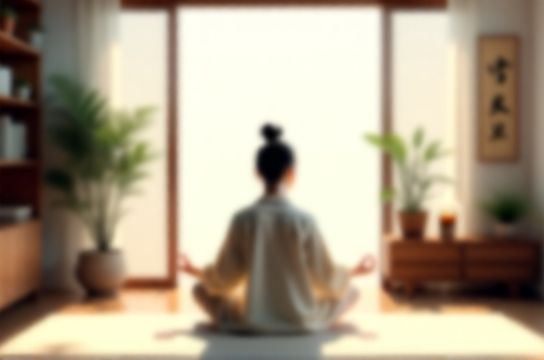
Known as the “Tang Ping” (lying flat) and “Ji Jian” (downshifting) movements, this cultural shift reflects a deep desire for mental well-being, work-life balance, and authenticity. From quitting high-paying jobs to moving back to rural hometowns, young Chinese are redefining what it means to live a meaningful life.
The Numbers Don’t Lie: A Generation Reassessing Success
A 2023 survey by Peking University found that over 62% of urban millennials and Gen Z respondents feel overwhelmed by job stress, while only 38% believe hard work leads to upward mobility. Meanwhile, Alibaba’s Taobao reported a 150% increase in sales of minimalist living products—think bamboo furniture, secondhand books, and meditation apps—among users under 30.
Here’s a snapshot of how lifestyle preferences are shifting:
| Lifestyle Choice | Under 30 (%) | Over 40 (%) | Primary Motivation |
|---|---|---|---|
| Prefer remote work | 74 | 41 | Work-life balance |
| Considered moving to smaller cities | 68 | 29 | Lower cost of living |
| Practice mindfulness or meditation | 57 | 33 | Mental health |
| Reduced consumption habits | 61 | 45 | Sustainability & peace |
From Hustle Culture to Inner Calm
Remember when "fighting like a warrior" was the mantra? That energy fueled China’s economic boom—but at a cost. Burnout, anxiety, and even depression rates have surged. Now, many young people are hitting pause. Take 27-year-old Mei Lin from Chengdu, who left her corporate marketing job to open a small tea house in Yunnan. "I used to measure my worth by my salary," she says. "Now I measure it by my peace of mind."
This isn’t just individual rebellion—it’s a collective awakening. Social media platforms like Xiaohongshu (China’s Instagram) are flooded with hashtags like #SimpleLifeChina (over 800K posts) and #FindYourPeace, where users share photos of homegrown vegetables, hand-written journals, and sunrise hikes.
The Role of Technology: Enabler, Not Enemy
Ironically, tech is helping drive this low-tech lifestyle. Apps like Mind Journey (a meditation platform with 20 million users) and Douyin videos on frugal living are making simplicity cool. E-commerce sites now promote "slow living" boxes—curated kits with organic soap, loose-leaf tea, and poetry books.
Even employers are noticing. Companies like Xiaomi and Tencent have introduced optional four-day workweeks in pilot programs, recognizing that productivity isn’t tied to long hours—but to mental clarity and purpose.
Is This Sustainable?
Critics call it escapism. But supporters argue it’s sustainability—for the self, and society. By consuming less, stressing less, and connecting more, this generation may be onto something bigger: a new definition of progress.
As one Weibo user put it: "We’re not lying down to give up. We’re lying down to breathe. And then, maybe, to rise differently."
So whether you're sipping tea in a quiet courtyard or journaling under soft lamplight, remember: simplicity isn’t simple. It’s revolutionary.