
Youth Pressures in Chinese Society Explained Simply
- Date:
- Views:205
- Source:The Silk Road Echo
Let’s be real—growing up in today’s China isn’t just about acing exams or landing a dream job. It’s a full-on emotional marathon shaped by sky-high expectations, fierce competition, and the ever-present glow of social media. Welcome to the world of youth pressures in Chinese society—a topic more complex than your average TikTok trend.
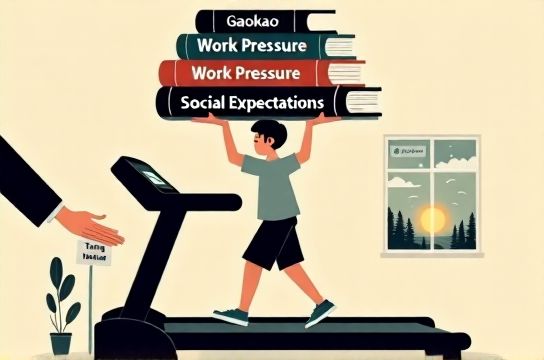
The Academic Grind: More Than Just Gaokao
If you think high school stress is universal, China’s gaokao (national college entrance exam) takes it to another level. This single test can define a student’s future, leading to intense pressure from parents, schools, and even peers. According to a 2023 survey by the Chinese Academy of Sciences, over 60% of high school students report symptoms of anxiety, with nearly 40% showing signs of depression.
| Mental Health Statistic | Percentage of Youth Affected |
|---|---|
| Reported Anxiety | 62% |
| Signs of Depression | 38% |
| Felt Parental Pressure | 75% |
| Struggled with Sleep | 54% |
Job Market Jitters: The ‘Involution’ Effect
You finally survive gaokao, graduate college… and then what? Enter neijuan, or 'involution'—a term that’s gone viral among young Chinese workers. It describes the exhausting cycle of working harder for little extra reward. A recent report by Zhaopin.com found that only 56% of 2023 graduates secured full-time jobs within six months, down from 68% in 2019.
Even those who land jobs face long hours. The infamous '996' work culture (9 AM to 9 PM, 6 days a week) still lingers in tech and finance sectors. No wonder 'lying flat' (tang ping) became a cultural rebellion—a quiet refusal to burn out chasing unattainable success.
Social & Family Expectations: Can You Just Get Married Already?
It’s not just grades and jobs. Young adults face relentless pressure to marry—on time, to the right person, and preferably with a house and car. Urban women, especially, feel this squeeze. A 2022 survey by Peking University revealed that 68% of women aged 22–30 felt societal judgment for remaining single.
And let’s talk money. With housing prices in cities like Beijing and Shanghai soaring past $15,000 per square meter, many youth call themselves 'ant tribe'—educated but underpaid, living in cramped shared apartments. The dream of financial independence? More like a distant mirage.
Digital Life: Likes, FOMO, and Filtered Reality
Social media adds another layer. Platforms like Xiaohongshu and Douyin glorify 'perfect' lives—luxury trips, flawless skin, instant success. But behind the filters? A growing fear of missing out (FOMO) and self-worth tied to online validation. Research from Tsinghua University shows teens spending an average of 3.2 hours daily on social apps, correlating with increased loneliness and body image issues.
Hope on the Horizon?
Despite the pressure, there’s resilience. Mental health awareness is rising. Schools are introducing counseling programs, and companies like Alibaba have launched wellness initiatives. Plus, youth are redefining success—not by salary or marriage status, but by balance, purpose, and peace of mind.
In short, youth pressures in China aren’t going away overnight. But understanding them? That’s the first step toward change.