
Social Phenomena China Behind the Urban Lifestyle Shifts
- Date:
- Views:231
- Source:The Silk Road Echo
In recent years, urban life in China has undergone a dramatic transformation. From late-night coffee runs to co-living spaces, the rhythm of city living is evolving—fast, loud, and full of meaning. But what’s really driving these shifts? Let’s dive into the social phenomena reshaping China’s urban landscape.
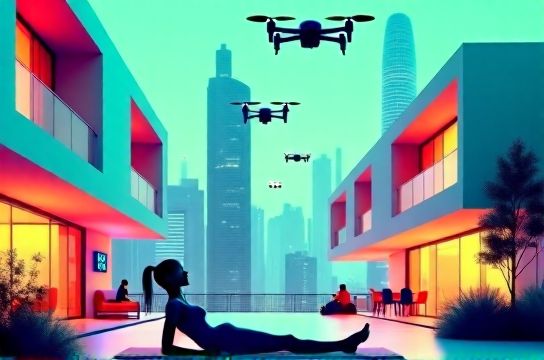
The Rise of 'Lazy Economy' and Digital Convenience
Gone are the days when cooking dinner was a nightly ritual. In cities like Shanghai and Shenzhen, over 68% of young professionals rely on food delivery apps at least three times a week (China Internet Network Information Center, 2023). This isn’t just laziness—it’s efficiency. The so-called “lazy economy” fuels everything from robot cleaners to one-click laundry services.
Why? Because time is the new luxury. With average workweeks exceeding 48 hours in Tier-1 cities, convenience isn’t a perk—it’s survival.
Social Tables: Urban Habits at a Glance
| Habit | Tier-1 Cities (%) | Tier-2 Cities (%) | Main Drivers |
|---|---|---|---|
| Daily Food Delivery | 68% | 52% | Work pressure, app accessibility |
| Shared Housing | 45% | 38% | Rising rent, social flexibility |
| Nightlife 3+ Nights/Week | 39% | 31% | Youth culture, mental escape |
| Using Co-Working Spaces | 57% | 41% | Freelancing growth, remote work |
Loneliness in the Crowd: The Paradox of Connection
Here’s the irony: Chinese cities are more crowded than ever, yet loneliness is on the rise. A 2024 survey by Peking University found that 1 in 3 urban dwellers feels socially isolated despite constant digital connectivity.
This has sparked a wave of ‘micro-communities’—pop-up book clubs, pet-parent meetups, even silent dining events. People aren’t rejecting society; they’re curating it. As one Beijing freelancer put it: “I don’t want 500 WeChat contacts. I want three real friends who get me.”
The ‘Lie Flat’ Movement vs. Hustle Culture
You’ve heard of hustle culture—grinding 24/7 for success. But in China, a quiet rebellion called ‘tang ping’ (lie flat) is gaining ground. It’s not about quitting life; it’s about rejecting burnout.
Young workers are choosing smaller cities, part-time gigs, or minimalist lifestyles. Not out of laziness—but as a form of protest against unsustainable expectations. And surprisingly, companies are listening. Some startups now offer ‘no-meeting Wednesdays’ and mental health sabbaticals.
Green Spaces and Mental Reset
Cities like Chengdu and Hangzhou are leading a wellness revolution. Urban parks, rooftop farms, and meditation pods are no longer luxuries—they’re necessities. In fact, residents within 500 meters of green space report 27% lower stress levels (Urban Health Initiative, 2023).
This blend of nature and neon defines the new urban ideal: high-tech, but high-touch.
Final Thoughts: What’s Next?
China’s urban lifestyle shifts aren’t random trends—they’re responses to deeper social needs: autonomy, connection, and balance. As AI and automation take over routine tasks, humans are reclaiming time to live—not just exist.
The future of Chinese cities? Smarter, yes. But also slower, kinder, and more human.