
Consumption as Identity: How Brand Culture Defines China’s Post-90s Generation
- Date:
- Views:273
- Source:The Silk Road Echo
Let’s be real—your phone case, your sneakers, even your bubble tea order say way more about you than you think. For China’s post-90s generation, shopping isn’t just about buying stuff. It’s about telling the world who you are. Forget old-school status symbols like gold chains or luxury cars—today’s young Chinese consumers are flexing their identity through brand culture.
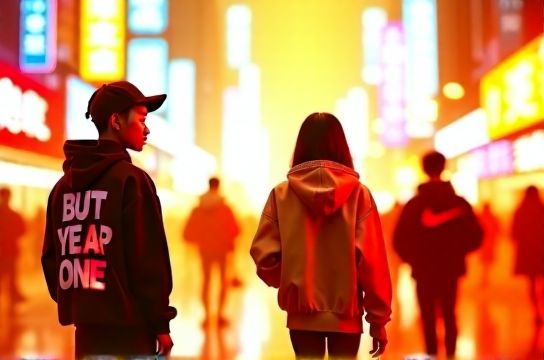
Born between 1990 and 1999, this group grew up during China’s economic boom. They’ve never known scarcity. Instead, they’ve been flooded with choices—from global giants like Apple and Nike to homegrown hits like Li-Ning and Perfect Diary. And they’re not just picking brands randomly. They’re curating a lifestyle.
Take streetwear, for example. Wearing a limited-edition CLOT hoodie isn’t just fashion—it’s membership in a tribe. It says you’re into hype, you get the culture, and you’re willing to camp out (or pay resell prices) to prove it. Same goes for tech. Rocking the latest Huawei foldable? You’re not just tech-savvy—you’re patriotic, supporting Chinese innovation.
But here’s the twist: it’s not all about showing off. For many post-90s consumers, brands offer emotional comfort. In a high-pressure society where job competition and social expectations are intense, treating yourself to a Starbucks latte or a new SK-II serum is self-care, not vanity. These small luxuries become rituals—a way to reclaim control and feel good in a chaotic world.
Brands have noticed. They’re no longer just selling products; they’re building communities. Xiaomi fans don’t just buy phones—they attend fan meetups and call themselves ‘Mi Fans.’ Sportswear brands drop storytelling campaigns that tap into youth dreams and struggles. Even food delivery apps like Meituan craft personas around convenience and modern living.
And let’s talk about social media. On platforms like Xiaohongshu and Douyin, unboxing videos, outfit grids, and ‘day in the life’ reels turn everyday consumption into content. Every purchase becomes a post, a story, a piece of personal branding. Your taste is your image—and your image is currency.
But it’s not blind consumerism. This generation is picky. They care about values. A brand that supports sustainability, gender equality, or local culture gets loyalty. That’s why homegrown brands are rising fast—they feel more authentic, more ‘us.’
In the end, for China’s post-90s, what you buy isn’t just what you own. It’s who you are—or who you want to become. Consumption isn’t shallow. It’s symbolic. It’s identity in action.