
City Dreamers vs. Returnees: The Push and Pull of Rural-Urban Migration
- Date:
- Views:254
- Source:The Silk Road Echo
Let’s be real — life in the big city sounds awesome… until you’re stuck in traffic for two hours, paying way too much for a shoebox-sized apartment. Meanwhile, back in the countryside, things are getting interesting. More people are ditching the urban grind and heading home. So what gives? It’s the classic tug-of-war between City Dreamers and Returnees — and it’s reshaping how we think about where we live.
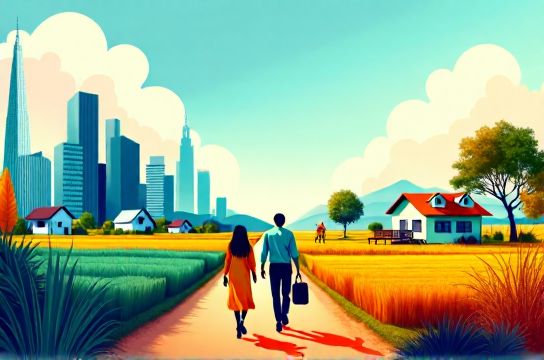
For decades, the dream was simple: grow up in a small town, study hard, move to the city, chase opportunity. Skyscrapers, late-night eats, career moves — cities promised it all. And sure, they still do. But that dream’s starting to feel a little worn out.
City Dreamers are the ones still buying into the hustle. They love the energy, the jobs, the vibe. To them, rural life feels slow, isolated, maybe even boring. But here’s the catch — the cost of living is crushing them. Rent? Sky-high. Work-life balance? Joke’s on them. Burnout? Just part of the package.
Now enter the Returnees — folks who left the village years ago but are now packing up and coming back. And no, they’re not just giving up. Many are bringing skills, savings, and even remote jobs with them. With better internet and government support, rural areas aren’t what they used to be. Think eco-farms, homestays, local crafts going viral online. Some are even launching startups from their hometowns.
So what’s really driving this shift? On one side, cities are pushing people out — high costs, stress, pollution. On the other, rural areas are pulling them back with space, peace, community, and a shot at a better quality of life. It’s not just nostalgia; it’s a lifestyle upgrade.
And let’s talk tech — it’s a game-changer. You don’t need to be in the city to work for a city company anymore. Remote work means you can answer emails from a porch overlooking rice fields. That kind of freedom is flipping the script on migration.
Governments are noticing too. In places like China and India, there are programs to support returnee entrepreneurs — funding, training, infrastructure. They’re betting that these returnees can revive rural economies without repeating the old mistakes of over-urbanization.
Of course, it’s not all perfect. Rural healthcare, education, and connectivity still lag behind cities. But progress is happening. And more importantly, the stigma of ‘failing’ by leaving the city is fading. Going back isn’t defeat — it’s a choice.
In the end, it’s not really City Dreamers vs. Returnees. It’s about options. The real win? A future where people can choose where to live based on what matters to them — whether that’s the buzz of downtown or the calm of the countryside.