
Exploring Modern Chinese Society Beyond Stereotypes
- Date:
- Views:315
- Source:The Silk Road Echo
When you think of China, what comes to mind? Maybe pandas, the Great Wall, or dim sum? While these icons are part of the story, modern Chinese society is so much more dynamic, complex, and surprisingly relatable. Let’s go beyond the postcard images and dive into the real rhythms of life in today’s China — where ancient traditions dance with futuristic innovation.
The Pulse of Urban Life: More Than Just Skyscrapers
China isn’t just growing — it’s transforming at lightning speed. Over 60% of its 1.4 billion people now live in cities, a massive shift from just two decades ago. Cities like Shanghai, Shenzhen, and Chengdu aren’t just economic powerhouses; they’re cultural melting pots where young professionals balance 9-to-9 workweeks with weekend hikes and bubble tea meetups.
But here’s the twist: despite the hustle, mental wellness is gaining traction. Concepts like “tang ping” (lying flat) and “inshi” (let it be) have gone viral, reflecting a growing pushback against burnout. It’s not laziness — it’s a quiet rebellion for work-life balance in a hyper-competitive world.
Digital Life: Living in the App Universe
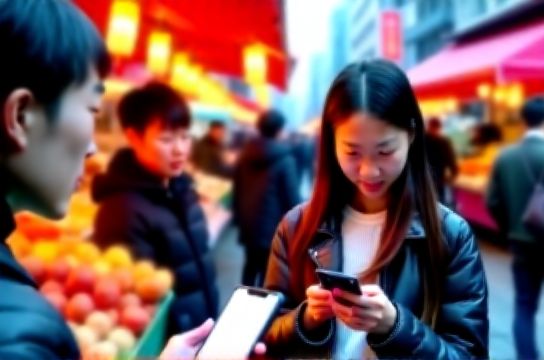
If you still carry cash, China might shock you. Mobile payments like Alipay and WeChat Pay dominate daily life — from street vendors to subway rides. In fact, over 86% of Chinese consumers use mobile wallets. Need a bike? Scan a QR code. Want food? Order via Meituan. Even your local grandma might be livestreaming on Douyin (China’s TikTok).
This digital ecosystem isn’t just convenient — it’s reshaping social behavior. Dating apps, fitness challenges, and online communities are redefining how people connect. And yes, internet slang like “xuyou” (fake friend) or “neijuan” (involution) capture the mood of a generation navigating pressure and authenticity.
Family, Tradition, and Change
Family remains central, but expectations are evolving. The one-child policy may be gone, but its legacy lingers. Many young adults feel the weight of being the sole support for aging parents — a phenomenon called the “4-2-1” structure (four grandparents, two parents, one child).
Yet, there’s a cultural shift. More women are prioritizing careers over early marriage, and LGBTQ+ visibility is slowly rising, especially in urban centers. Traditional festivals like Lunar New Year still bring families together, but now, red envelope gifts come digitally — and arguments about career choices happen over WeChat voice notes.
Culture & Creativity: Not Just Copycats
Gone are the days when China was seen as just imitating the West. Today, homegrown fashion brands like Li-Ning, indie musicians on NetEase Cloud Music, and filmmakers breaking box office records prove that Chinese creativity is booming.
Take the guochao (national trend) movement — blending traditional aesthetics with modern design. From Hanfu clothing revivals to AI-powered art installations, young Chinese are redefining pride in their heritage.
Quick Stats: Snapshot of Modern China
| Indicator | Data |
|---|---|
| Urban Population | 60.6% |
| Mobile Payment Users | 86.4% |
| Average Age (Urban) | 38.4 years |
| Internet Penetration | 76.4% |
| Median Monthly Salary (Tier 1 Cities) | ¥12,000 (~$1,650) |
These numbers don’t tell the whole story, but they show a society in motion — tech-savvy, reflective, and reimagining identity.
Final Thoughts: Seeing China Clearly
Modern Chinese society isn’t monolithic. It’s a mosaic of contradictions — fast yet contemplative, traditional yet experimental. To truly understand it, we need to move past stereotypes and listen to the voices shaping its future: the tired but hopeful office worker, the artist mixing ink wash with digital code, the student debating life goals over boba.
China isn’t just rising — it’s rethinking. And that makes it one of the most fascinating places on Earth right now.