
Experience Chinese Tea Culture in Everyday Village Life
- Date:
- Views:262
- Source:The Silk Road Echo
Ever wondered how a simple cup of tea can tell the story of an entire culture? In rural China, tea isn’t just a drink — it’s a way of life. From misty mountain slopes to humble village homes, tea weaves through daily routines, traditions, and even spiritual practices. Let’s take a deep dive into the heart of Chinese tea culture, where every leaf whispers history and every pour carries meaning.
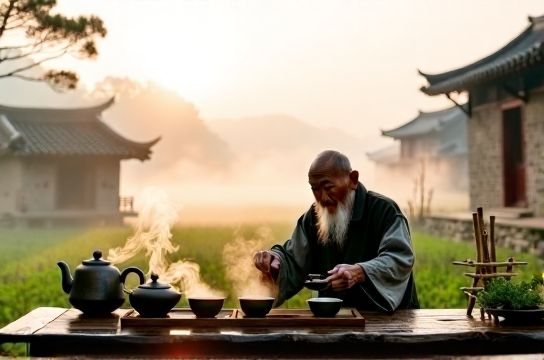
The Rhythm of Tea in Village Life
In villages across Fujian, Yunnan, and Zhejiang, tea grows like poetry on terraced hills. Farmers rise before dawn, their hands moving rhythmically as they pluck tender Camellia sinensis leaves under soft morning light. This isn’t factory farming — it’s craftsmanship passed down through generations.
A typical day starts with a shared pot of freshly brewed oolong or green tea. Families gather around low wooden tables, sipping from tiny clay cups. It’s not about caffeine; it’s about connection. As one elder from Hangzhou put it: “Tea warms the body, but sharing it warms the soul.”
Tea Varieties & Regional Significance
China boasts over 1,000 tea varieties, but village life centers around a few sacred staples. Here’s a snapshot of key teas rooted in everyday rural culture:
| Tea Type | Region | Caffeine Level (mg/cup) | Harvest Season | Cultural Role |
|---|---|---|---|---|
| Longjing (Dragon Well) | Zhejiang | 25–30 | Spring (Mar–Apr) | Symbol of purity; often gifted |
| Tieguanyin (Iron Goddess) | Fujian | 35–40 | Spring & Autumn | Used in ancestral rituals |
| Pu'er | Yunnan | 40–50 | Year-round | Aged for decades; investment tea |
| Biluochun | Jiangsu | 20–25 | Early Spring | Sweet aroma; women-led harvest |
The Art of Gongfu Cha: More Than Just Brewing
You haven’t truly experienced tea until you’ve witnessed Gongfu Cha — the 'skillful tea' ceremony practiced in homes, not museums. Using small Yixing clay pots, villagers brew multiple short infusions, each revealing new layers of flavor. The first steep might be floral, the third earthy, the fifth honeyed.
This method isn’t showy — it’s intimate. Guests are served with both hands, silence is respected, and refills are endless. As tea master Li Wen explains: “We don’t rush tea. We let it speak.”
Tea, Health, and Harmony
In villages, tea is also preventive medicine. Grandmothers brew chrysanthemum tea for summer heat, pu’er after heavy meals, and jasmine blends for calm nerves. Modern studies back this wisdom: green tea contains EGCG, a powerful antioxidant linked to heart health and longevity.
But beyond science, there’s a deeper truth — tea enforces mindfulness. In a world of speed, the village tea ritual slows time. It’s a moment to breathe, reflect, and reconnect.
How to Bring Village Tea Culture Home
You don’t need a mountain farm to embrace this lifestyle. Start small: invest in loose-leaf tea, use a gaiwan or small teapot, and brew mindfully. Share it with someone — that’s where the magic happens.
And if you ever visit rural China? Skip the tourist traps. Find a family-run tea house, sit quietly, and let them pour you a cup of their life.