
Inside the Mind of Urban China's New Generation
- Date:
- Views:287
- Source:The Silk Road Echo
If you've ever strolled through Shanghai's bustling Xintiandi or caught a live indie gig in Beijing's 798 Art Zone, you’ve brushed shoulders with China’s urban youth — a generation redefining what it means to be young, ambitious, and digitally fluent in the Middle Kingdom.
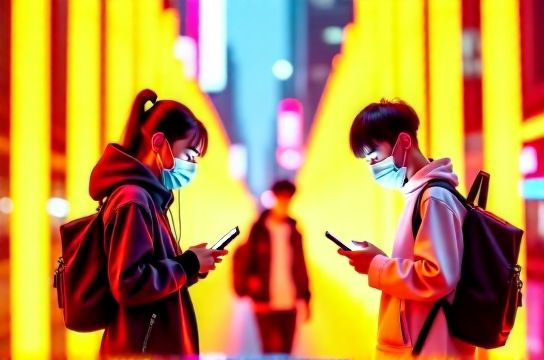
Forget the old stereotypes. Today’s urban Chinese millennials and Gen Z aren’t just chasing financial success; they’re searching for identity, balance, and meaning in a society that moves at breakneck speed. So, who are they? What drives them? And how are their values reshaping everything from consumer habits to career paths?
The Pressure Cooker: Expectations vs. Reality
Growing up in China’s one-child policy era, many urban youths carry the full weight of parental hopes on their backs. A 2023 survey by Peking University found that over 68% of young professionals in first-tier cities report high stress levels, primarily due to job competition and housing costs.
| City | Average Rent (1BR) | Youth Unemployment Rate (%) | Median Monthly Salary (¥) |
|---|---|---|---|
| Beijing | ¥8,500 | 14.2 | ¥12,800 |
| Shanghai | ¥9,200 | 13.8 | ¥13,500 |
| Shenzhen | ¥8,900 | 15.1 | ¥13,200 |
| Guangzhou | ¥6,700 | 12.9 | ¥11,800 |
As this data shows, soaring rents and tight job markets are pushing many to question the traditional '996' grind (9 AM–9 PM, 6 days a week). In fact, 'lying flat' (tang ping) isn't just a meme — it's a quiet rebellion against burnout culture.
Digital Natives with a Conscience
Born into a hyper-connected world, urban youth spend an average of 3.7 hours daily on social platforms like Xiaohongshu (Little Red Book) and Douyin (China’s TikTok). But it’s not just about entertainment. These platforms have become spaces for self-expression, community building, and even activism.
Take sustainability: a 2024 McKinsey report revealed that 74% of urban Chinese consumers aged 18–35 are willing to pay more for eco-friendly products. From thrift shopping in Chengdu’s indie boutiques to supporting homegrown vegan brands, green living is becoming a badge of pride.
Redefining Success: From 'Face' to Fulfillment
Remember when buying a luxury bag was all about showing off status? Not anymore. Today’s youth value experiences over possessions. Weekend hiking trips to Zhangjiajie, silent meditation retreats, or mastering sourdough baking — these are the new status symbols.
And love? Marriage rates among urbanites under 30 have dropped by 27% since 2015 (National Bureau of Statistics, 2023). Why? Because independence matters more than societal approval. As one 26-year-old Shanghainese designer put it: “I’d rather travel solo than rush into a marriage for my parents’ sake.”
The Takeaway: A Generation in Transition
Urban China’s new generation isn’t rejecting ambition — they’re redefining it. They want purpose, flexibility, and authenticity. Brands, employers, and policymakers who understand this shift won’t just survive; they’ll thrive.
So next time you see a young professional sipping oat milk lattes in a co-working space while planning a digital detox trip to Yunnan, know this: you’re witnessing the quiet revolution shaping modern China.