
Inside Chinese Youth Culture and Lifestyle Shifts
- Date:
- Views:325
- Source:The Silk Road Echo
China's youth aren't just growing up—they're reshaping the future. Born between 1995 and 2010, Gen Z in China is rewriting the rules of work, play, love, and identity. Forget quiet conformity; this generation is loud, digital-first, and unapologetically individual. From xǐnglì (‘awakened independence’) to ‘lying flat’ (tǎnpíng), their lifestyle shifts reflect a deeper cultural evolution.
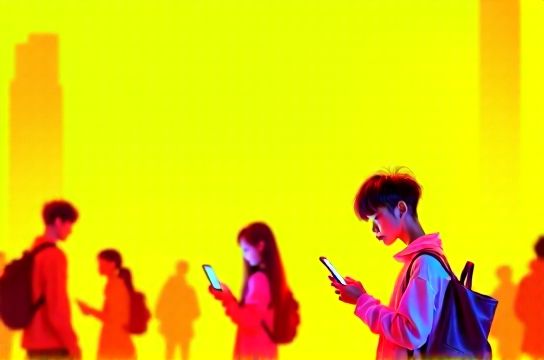
Take a look at how they spend their time and money. A 2023 McKinsey report shows that Chinese Gen Z controls over ¥1 trillion in annual consumer spending. They’re not splurging on cars or real estate—instead, they’re investing in self-expression. Think limited-edition sneakers, skincare routines with 10-step regimens, and livestream shopping sprees. In fact, over 60% of young consumers say they’ve bought something during a live e-commerce broadcast in the past month.
Here’s a snapshot of their monthly spending habits:
| Category | Avg. Monthly Spend (RMB) | Top Brands/Platforms |
|---|---|---|
| Fashion & Beauty | 850 | Perfect Diary, Li-Ning, Xiaohongshu |
| Digital Entertainment | 420 | Bilibili, Honor of Kings, NetEase Cloud Music |
| Food & Dining | 730 | Manner Coffee, HeyTea, Meituan |
| Wellness & Fitness | 380 | Keep, Peloton China, Yoga apps |
But it’s not all about consumption. Mental health awareness is soaring. Over 70% of urban youth say they’ve sought counseling or used mental wellness apps like Insight Timer or Fennguang. The old stigma? Fading fast.
Work-life balance? That’s where the ‘lying flat’ movement hits home. It’s not laziness—it’s resistance. With sky-high housing prices and the 996 work culture (9 AM to 9 PM, 6 days a week), many young professionals are opting out of the rat race. Instead, they’re chasing ‘small but certain happiness’ (xiǎo quèxìng)—think weekend hikes, indie music gigs, or opening a tiny café in Chengdu.
Socially, relationships are changing too. Marriage rates among those under 30 have dropped by nearly 30% since 2015. Why? Freedom. Flexibility. Fear of losing oneself in tradition. Yet, loneliness isn’t winning. Digital tribes thrive on platforms like Douban and QQ groups, where niche interests—from retro anime to sustainable fashion—build real community.
Culturally, patriotism blends with global tastes. You’ll see kids rocking Hanfu one day and quoting Taylor Swift the next. National pride meets K-pop playlists. It’s not confusion—it’s confidence.
In short, Chinese youth culture today is a paradox: deeply rooted, wildly innovative, quietly rebellious, and unmistakably powerful. They’re not waiting for permission. They’re already designing the world they want to live in.