
Chinese Cultural Experiences at UNESCO World Heritage Sites
- Date:
- Views:260
- Source:The Silk Road Echo
Want to dive deep into China’s soul? Skip the shopping malls and neon lights—head straight to its UNESCO World Heritage Sites. These aren’t just tourist traps; they’re living, breathing time capsules of history, philosophy, and artistry. From imperial palaces to sacred mountains, each site tells a story that’s shaped Chinese culture for millennia.
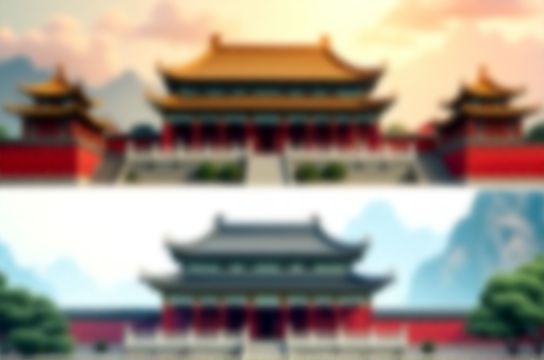
China boasts 57 UNESCO sites—the second most in the world after Italy. But it’s not about quantity. It’s about the sheer depth of cultural immersion you get. Whether you’re wandering through the Forbidden City or meditating at Mount Emei, you’re not just seeing history—you’re feeling it.
Top 4 Must-Visit Cultural Sites
- The Forbidden City (Beijing) – Once home to 24 emperors, this 180-acre palace complex is a masterclass in symmetry, symbolism, and power. Built in the early 1400s, it features 9,999 rooms (because only heaven could have 10,000).
- Temple of Confucius (Qufu) – The philosopher’s hometown temple is where scholars still come to pay respects. The annual Confucius Memorial Ceremony draws thousands in traditional robes.
- Longmen Grottoes (Luoyang) – Over 100,000 Buddhist statues carved into limestone cliffs between the 4th and 10th centuries. The Fengxian Temple alone houses a 57-foot Buddha that radiates serenity.
- Mount Wutai – One of China’s Four Sacred Buddhist Mountains, with over 50 temples nestled in misty peaks. Pilgrims walk for days to reach the summit—some prostrating every few steps.
Why These Sites Matter Today
These places aren’t frozen in time. They’re part of daily life. Locals burn incense at ancient altars. Monks chant in temples older than most European nations. Even schoolkids recite Confucian teachings rooted in these very locations.
And yes, tourism has grown—over 19 million visitors toured the Great Wall in 2023—but many sites manage crowds well with timed entries and eco-friendly policies.
Cultural Experience Comparison Table
| Site | Year Inscribed | Key Cultural Feature | Avg. Visitor Experience (Hours) |
|---|---|---|---|
| Forbidden City | 1987 | Imperial Architecture & Feng Shui | 4–6 |
| Temple of Confucius | 1994 | Scholarly Tradition & Ritual | 2–3 |
| Longmen Grottoes | 2000 | Buddhist Art & Stone Carving | 3–4 |
| Mount Wutai | 2009 | Pilgrimage & Monastic Life | Full day |
Travel tip: Visit early morning or late afternoon to avoid crowds and catch golden-hour light—perfect for photos and quiet reflection.
Final Thoughts
Exploring China’s UNESCO sites isn’t just sightseeing—it’s a journey into the heart of a civilization that values harmony, respect, and spiritual depth. Whether you’re a history buff, a culture seeker, or just curious, these places offer something no museum ever could: authentic connection.
So pack your curiosity (and comfy shoes), and let China’s heritage rewrite your travel story.