
Inside the Mind of China's Young Generation Uncovered
- Date:
- Views:240
- Source:The Silk Road Echo
What really drives China’s youth today? Forget the stereotypes—this isn’t just a generation glued to their phones or obsessed with fame. The truth is far more fascinating. Born after 1990, especially the post-90s and post-00s cohorts, are reshaping society, consumer habits, and even national identity in ways no one predicted.
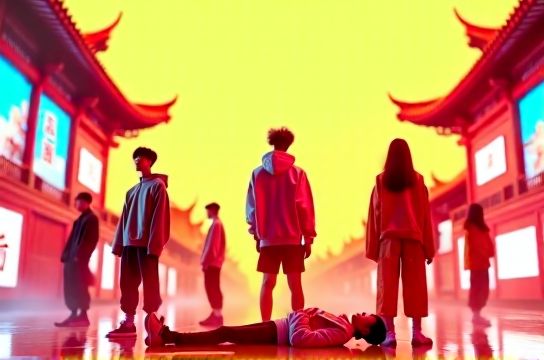
Let’s dive deep into what makes them tick—digitally native, economically cautious, yet culturally confident.
Digital Natives, Real-World Skeptics
Growing up alongside WeChat, TikTok (known locally as Douyin), and Alibaba, over 95% of urban Chinese youth use smartphones daily for everything from ordering breakfast to investing in wealth management apps. But here’s the twist: they’re not blindly trusting tech. A 2023 survey by PwC China found that 68% of Gen Z respondents prioritize data privacy over convenience—higher than any other age group.
The Rise of 'Lying Flat' and 'Buddhist Living'
You’ve probably heard of tang ping (躺平), or “lying flat”—a quiet rebellion against relentless hustle culture. It’s not laziness; it’s self-preservation. With rising housing prices and competitive job markets, many young people are redefining success. Instead of chasing promotions, they seek work-life balance, mental wellness, and meaningful experiences.
Check out this snapshot of youth priorities:
| Life Priority | Percentage of Youth (Ages 18–30) |
|---|---|
| Mental Health & Well-being | 74% |
| Financial Stability | 69% |
| Personal Growth | 63% |
| Work-Life Balance | 71% |
| High Income / Wealth | 48% |
Source: China Youth Daily Survey, 2023
Consumers With a Conscience
This generation doesn’t just buy products—they buy values. National pride is surging. From Li-Ning’s fashion-forward sportswear to Huawei’s 5G dominance, homegrown brands are winning hearts. In fact, 62% of young consumers say they prefer domestic brands over foreign ones if quality is equal (McKinsey, 2024).
And sustainability? Not a buzzword—it’s a dealbreaker. Over half now check product carbon footprints before purchasing.
Culture: From K-Pop to Guochao
Remember when Korean pop ruled the charts? Now, it’s guochao (国潮)—the ‘China-chic’ movement blending traditional aesthetics with modern design. Think Hanfu-inspired streetwear, digital art rooted in ink painting, or video games like Honkai: Star Rail going global.
Social media fuels this cultural wave. On Bilibili, videos tagged #TraditionalCulture rack up billions of views annually. These aren’t just nostalgic throwbacks—they’re reinventions for a new era.
Love, Life, and the Future
Marriage rates among Chinese youth have dropped for 10 straight years. Why? Delayed adulthood. Many cite high costs, career focus, and changing gender roles. Yet, they’re not giving up on love—they’re reimagining it. Emotional compatibility trumps family pressure.
Still, uncertainty looms. Only 39% believe they’ll achieve the same standard of living as their parents—a stark shift from past optimism.
Final Thoughts
China’s youth aren’t lost—they’re evolving. Pragmatic, reflective, and proud, they’re navigating a complex world with quiet resilience. Understanding them isn’t just about marketing or policy—it’s about seeing the future through fresh eyes.