
Rural China Travel Find Serenity in Untouched Landscapes
- Date:
- Views:202
- Source:The Silk Road Echo
Looking to escape the hustle and bustle of city life? Rural China is your next hidden gem. Forget crowded tourist traps—think misty rice terraces, ancient villages frozen in time, and warm smiles from locals who still live by centuries-old traditions.
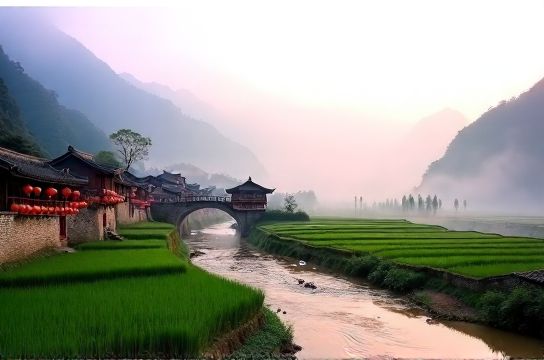
From Yunnan’s emerald hills to Guangxi’s dreamlike karst peaks, rural China offers a peaceful retreat like no other. Whether you’re hiking through sleepy hamlets or sipping homemade tea with village elders, these off-the-beaten-path destinations deliver authenticity you won’t find in guidebooks.
Why Rural China?
China isn’t just about megacities and bullet trains. Over 40% of its population still lives in rural areas, preserving cultures, dialects, and ways of life that have survived generations. According to the China Statistical Yearbook 2023, more than 500 traditional villages have been officially recognized for cultural preservation—many still untouched by mass tourism.
Travelers are catching on. In 2023, domestic eco-tourism in rural regions grew by 18% year-on-year (source: Ministry of Culture and Tourism). But unlike over-visited spots like Lijiang or Fenghuang, true rural gems remain quiet, authentic, and refreshingly unspoiled.
Top 4 Hidden Rural Destinations
- Yuanyang Rice Terraces (Yunnan) – Carved into mountains by the Hani people over 1,300 years ago, these UNESCO-listed terraces shimmer like liquid gold at sunrise.
- Zhaoxing Dong Village (Guizhou) – Home to the Dong ethnic minority, famous for their wind-and-rain bridges and hauntingly beautiful polyphonic singing.
- Longsheng梯田 (Guangxi) – The famed Longji Rice Terraces offer jaw-dropping views and homestays with local Zhuang families.
- Xidi & Hongcun (Anhui) – Ming-era villages with white-walled homes reflecting in lotus ponds—often called "the Chinese idyll."
What to Expect: Rural Travel Real Talk
Let’s keep it real: rural China isn’t always comfortable. You might face spotty Wi-Fi, squat toilets, and language barriers. But that’s part of the charm. Locals often speak only dialects, but a smile goes a long way. And yes, you’ll eat things you can’t name—but trust us, the smoky cured pork and wild mountain greens are worth it.
Here’s a quick snapshot of what makes rural travel special:
| Destination | Best Time to Visit | Unique Feature | Visitor Footprint* |
|---|---|---|---|
| Yuanyang, Yunnan | Dec–March (water-filled terraces) | Hani ethnic culture | Low |
| Zhaoxing, Guizhou | May–Oct (festival season) | Dong choir performances | Medium |
| Longsheng, Guangxi | Sep–Oct (harvest season) | Stilt-house homestays | Medium-High |
| Xidi, Anhui | Mar–Apr & Oct–Nov | Ancient Huizhou architecture | High |
*Visitor Footprint: Low = under 1K tourists/month; Medium = 1K–5K; High = 5K+
Tips for a Meaningful Trip
- Go slow – Spend at least two nights in one place. Rushing kills the magic.
- Stay in homestays – Platforms like Xiaozhu or Airbnb China list authentic family-run lodgings.
- Respect local customs – Ask before photographing people, especially during rituals.
- Bring cash – Many villages don’t accept digital payments.
Rural China isn’t just a destination—it’s a feeling. It’s waking up to rooster calls, walking muddy paths lined with chili peppers, and sharing stories with folks who measure wealth in harvests, not hashtags.
If you crave real connection, raw beauty, and a break from the noise, pack your bag. The soul of China isn’t in its skyscrapers—it’s in its soil, its songs, and its silent mornings.