
Inside Chinese Society The Rise of Migrant Worker Stories
- Date:
- Views:291
- Source:The Silk Road Echo
In the roaring engines of China’s urban transformation, there's a heartbeat often overlooked — the migrant worker. From towering skyscrapers in Shanghai to subway tunnels in Shenzhen, their hands build the future. Yet, their stories? Long silenced. Now, that’s changing.
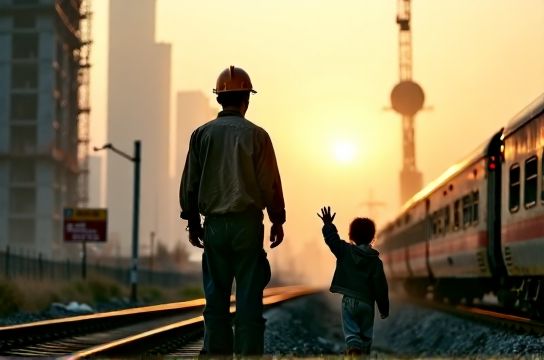
Over 290 million rural workers have moved to cities, making up nearly 40% of China’s urban labor force (National Bureau of Statistics, 2023). These aren’t just numbers — they’re parents separated from children, young dreamers chasing opportunity, and aging hands still swinging hammers at 60.
The Human Cost Behind the Growth
While GDP soars, the social price is steep. Most migrant workers lack full access to hukou-tied benefits like public schools or healthcare. Their kids? Often left behind in villages — over 6.6 million 'left-behind children' in 2022, says UNICEF.
But here’s the twist: their voices are rising. Through poetry, film, and grassroots blogs, migrant narratives are breaking through. Think of Chen Guidi’s eye-opening book "Will the Boat Sink the Water?", or the viral short films on Douyin showing life in cramped dormitories.
Data That Tells the Real Story
Let’s break it down:
| Statistic | Value | Source |
|---|---|---|
| Total Migrant Workers (2023) | 290.7 million | NBS |
| Average Monthly Wage | ¥5,050 (~$700) | NBS |
| Left-Behind Children | 6.6 million | UNICEF 2022 |
| Work Hours/Week (avg.) | 58 hours | China Labor Bulletin |
| With Urban Hukou Access | <30% | Academic Survey 2023 |
Culture Rising from the Construction Site
Meet Wu Guoguang, a former steelworker turned poet whose lines like "My sweat waters the city, but my child drinks dust back home" echo across literary circles. His collection sold 50,000 copies — unheard of for a blue-collar writer.
Films like "Blind Mountain" and documentaries such as "Last Train Home" have put migrant struggles on the global stage. Streaming platforms now feature user-generated content from workers themselves — raw, real, and resonant.
What’s Changing?
Policies are slowly adapting. Cities like Chengdu and Hangzhou now offer hukou points for skilled migrants. NGOs run literacy programs and legal aid clinics. And yes, some companies finally provide dorms with Wi-Fi and hot water.
Yet, true inclusion means more than perks — it means dignity. It means letting these workers not just build cities, but belong to them.
So next time you walk past a construction site, pause. Those faces behind the masks? They’re not just laborers. They’re poets, parents, and pioneers — finally stepping into the light.