
China Hiking Trails for Solitude and Natural Beauty Seekers
- Date:
- Views:276
- Source:The Silk Road Echo
If you're craving breathtaking views, crisp mountain air, and a break from the hustle of city life, China's hidden hiking trails are your next adventure. Forget crowded tourist spots—these off-the-beaten-path routes offer solitude, jaw-dropping landscapes, and a deep connection with nature.
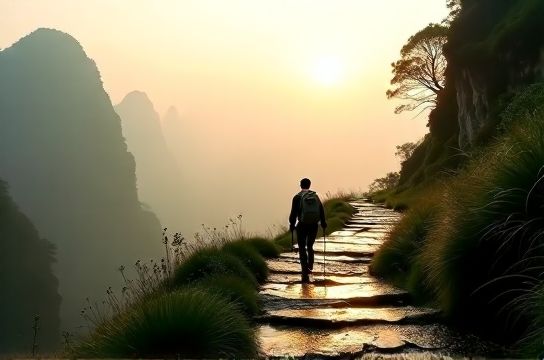
From misty Tibetan plateaus to emerald valleys in Yunnan, China’s diverse terrain is a hiker’s dream. Whether you're an experienced trekker or just starting out, these trails promise unforgettable experiences—all without the selfie sticks and tour groups.
Top 3 Secluded Hiking Trails in China
1. Meili Snow Mountain Trek (Yunnan)
Nestled near the Tibet border, this sacred mountain range remains untouched by mass tourism. The 7-day trek circles Kawa Karpo (6,740m), believed to be home to deities. With prayer flags fluttering in the wind and panoramic views of snow-capped peaks, it’s spiritual and scenic.
2. Kongque Valley (Xinjiang)
Also known as Peacock Valley, this alpine haven features turquoise lakes, wildflowers, and yak herders. Located in the Tianshan Mountains, it's perfect for mid-summer hikes. Few foreigners venture here, making it ideal for solitude seekers.
3. Yangshuo Countryside Loop (Guangxi)
While Yangshuo draws crowds, most stick to the bike paths. Go deeper: hike through rice paddies, limestone karsts, and quiet villages like Moon Hill and Xingping. Sunrise hikes offer fog-draped panoramas few ever see.
Trail Comparison at a Glance
| Trail | Difficulty | Best Season | Avg. Duration | Elevation (max) |
|---|---|---|---|---|
| Meili Snow Mountain | Hard | May–Oct | 7 days | 4,800m |
| Kongque Valley | Moderate | Jun–Aug | 4–5 days | 3,200m |
| Yangshuo Loop | Easy | Mar–May, Sep–Nov | 1–2 days | 800m |
Tips for a Smooth Trek
- Permits: Meili and Kongque require local permits—arrange via registered guides.
- Altitude Prep: Acclimate properly. Carry Diamox if heading above 3,000m.
- Pack Light: Bring moisture-wicking layers, a good sleeping bag, and water purifiers.
- Respect Culture: Many trails pass Tibetan or Uyghur communities—ask before photographing.
China’s wild side is waiting. Swap skyscrapers for starry skies, and noise for nature’s whispers. These trails aren’t just walks—they’re journeys into the soul of the earth.