
Chinese Society Explained Through Generational Change
- Date:
- Views:240
- Source:The Silk Road Echo
If you've ever wondered why your Chinese colleague refuses to argue with their boss, or why your friend's grandma still hands out red envelopes at New Year (even in a digital age), welcome to the real story of China — one shaped not by politics or economics alone, but by generational tectonics.
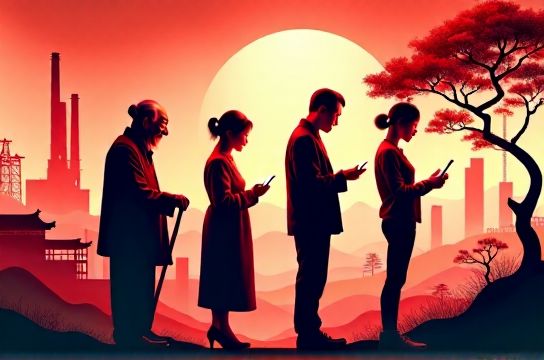
China didn’t just modernize. It time-traveled. From agrarian villages to AI hubs in under 40 years. And through it all, four generations have lived side by side, each carrying different values, traumas, and dreams.
The Four Pillars: Understanding China’s Generational Map
Let’s meet them:
- Traditionalists (born before 1960): Survived famine, revolution, and collectivization. Loyalty to family and state runs deep.
- Reformers (1960–1979): Came of age during Deng Xiaoping’s opening-up. They built factories, embraced pragmatism.
- Only Children (1980–1995): First generation under the One-Child Policy. Educated, ambitious, burdened by "4-2-1" pressure (four grandparents, two parents, one child).
- Digital Natives (1996–2010): Grew up with smartphones and sky-high expectations. They’re redefining success beyond money.
Values at Odds: A Cultural Tug-of-War
These aren't just age groups — they're cultural tribes. Check this breakdown:
| Generation | Core Value | Lifetime Trauma | Work Ethic | Attitude Toward Marriage |
|---|---|---|---|---|
| Traditionalists | Duty & Sacrifice | Famine, Cultural Revolution | "Work until you drop" | Marriage = duty, divorce = shame |
| Reformers | Opportunity & Mobility | Economic uncertainty | "Get rich, fast" | Stability first, love later |
| Only Children | Achievement & Security | Pressure to succeed | "Climb the corporate ladder" | Delayed, picky, expensive (hello, dowry talks!) |
| Digital Natives | Autonomy & Balance | Fear of irrelevance | "Work to live, not live to work" | Skeptical. Many choose "lying flat" (tang ping) over wedding bells |
See the clash? Grandma wants grandkids. Her daughter is chasing a promotion. Her granddaughter? She’s quitting her tech job to open a cat café in Chengdu.
Data That Tells the Story
Numbers don’t lie. Take marriage:
- In 1980, the average marriage age was 22.5 (men), 20.5 (women).
- In 2023, it’s 30.2 and 28.6 — a massive shift driven by urban millennials and Gen Z.
- Divorce rates have doubled since 2010, especially in cities like Shanghai and Shenzhen.
And fertility? The national rate is now 1.09 (2023), far below the 2.1 needed for population stability. Why? Not just policy — it’s cost, career pressure, and changing dreams.
So What’s Next?
China’s future isn’t just about GDP. It’s about whether these generations can coexist. Can companies adapt to younger workers who value meaning over money? Can families accept that filial piety doesn’t mean obedience? Can society support aging millions when there aren’t enough young people to care for them?
The answer lies in understanding that China isn’t one society — it’s four, living in the same country, speaking the same language, but dreaming entirely different futures.