
Local Perspective China Unveils Urban Lifestyle Shifts
- Date:
- Views:237
- Source:The Silk Road Echo
China's cities are buzzing—not just with traffic, but with change. From Shanghai’s skyline to Chengdu’s teahouses, urban life here is evolving faster than a bullet train. Locals aren’t just adapting—they’re leading the charge in redefining what it means to live, work, and play in modern China.
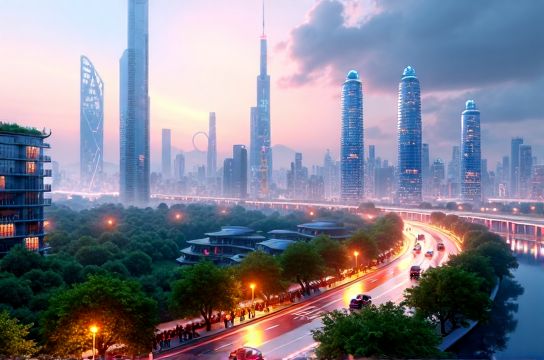
Gone are the days when city life meant long commutes and 9-to-9 grind. Today’s urbanites prioritize balance, convenience, and quality of life. A 2023 survey by China Urban Development Institute found that 68% of residents in Tier-1 cities value flexible work hours over higher salaries. That’s a seismic shift from a decade ago, when income was king.
One major driver? The rise of co-living spaces and smart communities. In Shenzhen, over 40 new tech-integrated residential complexes launched last year alone—complete with AI concierges, shared kitchens, and rooftop yoga decks. These aren’t just homes; they’re ecosystems built for connection.
Let’s talk numbers. Below is a snapshot of lifestyle trends across China’s top five urban centers:
| City | Remote Work Adoption (%) | Green Space per Capita (m²) | Coffee Shops per 10k People | Bike-Sharing Usage (daily avg.) |
|---|---|---|---|---|
| Beijing | 52% | 16.3 | 4.7 | 850,000 |
| Shanghai | 61% | 14.8 | 6.2 | 1.1 million |
| Guangzhou | 48% | 18.1 | 3.9 | 620,000 |
| Shenzhen | 67% | 19.5 | 5.8 | 730,000 |
| Chengdu | 59% | 21.3 | 5.1 | 510,000 |
Notice a pattern? Tech-forward cities like Shenzhen and Shanghai lead in remote work, while Chengdu—a city known for its chill vibes—boasts the most green space. It’s no accident. Urban planners are now designing cities around well-being, not just efficiency.
Coffee culture? It’s exploding. Shanghai now has more specialty coffee shops per capita than Paris. And bike-sharing isn’t just eco-friendly—it’s social. Platforms like Meituan Bike report that 30% of rides end at parks or cafés, suggesting people aren’t just commuting—they’re exploring.
But it’s not all lattes and leisure. Housing costs remain a pressure point. In Beijing, the average rent for a one-bedroom in the city center hit ¥12,800/month in 2024. That’s pushed many young professionals toward satellite towns, where high-speed rail cuts commute times to under 30 minutes.
The takeaway? Chinese urban life isn’t slowing down—it’s smartening up. Cities are becoming more human-centered, blending tech, nature, and culture in ways that surprise even locals. Whether you're living here or just visiting, now’s the time to see how daily life in China’s metropolises is being rewritten—one smart decision at a time.