
Inside Chinese Youth Culture and Urban Lifestyle
- Date:
- Views:207
- Source:The Silk Road Echo
If you've ever strolled through Shanghai's Xintiandi or scrolled through Douyin (China's TikTok), you’ve caught a glimpse of the pulsing energy driving Chinese youth culture. Today’s urban Chinese millennials and Gen Z aren’t just following trends—they’re creating them. From fashion to food, digital life to weekend getaways, young city dwellers are reshaping what it means to live in modern China.
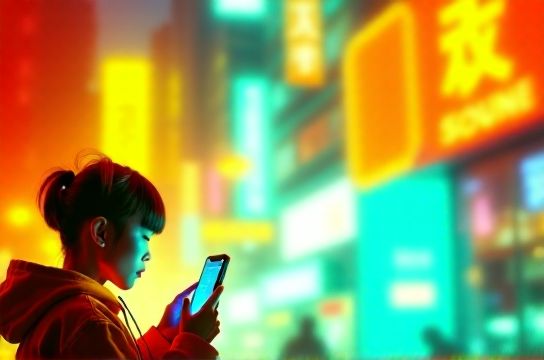
The Digital DNA of Chinese Youth
For China’s under-30 crowd, life runs on apps. WeChat isn’t just messaging—it’s payments, IDs, social media, and even government services. But when it comes to self-expression? That’s where platforms like Douyin, Bilibili, and Little Red Book (Xiaohongshu) shine. These aren’t just social networks; they’re cultural engines.
A 2023 report by QuestMobile shows that users aged 18–24 spend over 2.5 hours daily on short-video platforms. Bilibili alone boasts over 300 million monthly active users, with 75% under 24.
Youth Spending Habits: Cool Over Convenience
Forget frugal stereotypes—urban youth are spending, but selectively. They value experiences, authenticity, and brand stories. Want proof? Check this breakdown:
| Spending Category | Monthly Avg. Spend (RMB) | Top Platforms Used |
|---|---|---|
| Fashion & Streetwear | 860 | Xiaohongshu, Taobao |
| Coffee & Cafés | 420 | WeChat Mini Programs |
| Weekend Travel | 1,150 | Meituan, Ctrip |
| Digital Subscriptions | 180 | Bilibili, NetEase Cloud Music |
Yes, they’re paying 30+ RMB for a craft latte—not because they have to, but because the café’s aesthetic matches their feed. It’s lifestyle as identity.
The Rise of 'Small Comforts' (小确幸)
In a high-pressure society, young urbanites chase 'small happiness'—think vinyl nights, cat cafés, or hiking near Chengdu on weekends. This 'lying flat'-adjacent mindset doesn’t mean laziness; it’s a rejection of endless hustle culture.
According to a 2024 survey by iiMedia, 68% of young professionals prioritize work-life balance over rapid career growth. That’s why co-living spaces and wellness studios are booming in cities like Hangzhou and Shenzhen.
Streetwear, Hanfu, and Identity Fusion
Walk into any trendy Beijing mall, and you’ll see sneakers paired with hanfu (traditional garments). This blend of old and new defines youth style. Brands like Li-Ning and Peacebird have gone from outdated to ultra-cool by embracing 'China Chic' (国潮).
The domestic fashion market grew by 12.3% in 2023, with homegrown labels capturing nearly 40% of youth spending—up from 25% in 2020.
Final Thoughts: Not Just Following, But Leading
Chinese youth aren’t copying Western culture—they’re remixing global influences with local pride. Whether it’s sipping bubble tea at a themed pop-up or organizing a flash mob dance on Bilibili, they’re building a lifestyle that’s uniquely theirs.
So next time you think of China, don’t just picture skyscrapers and tech hubs. Picture a 23-year-old in Chongqing filming a poetry slam on Douyin, or a group of friends biking through Suzhou’s canals after brunch. That’s the real heartbeat of urban China today.