
Rural China Travel Explore Authentic Ethnic Minority Cultures
- Date:
- Views:276
- Source:The Silk Road Echo
Thinking about escaping the neon buzz of Beijing or Shanghai? Swap skyscrapers for misty mountain villages and get real with rural China travel. This is where ancient traditions thrive, rice terraces climb into the clouds, and ethnic minority cultures welcome you like family.
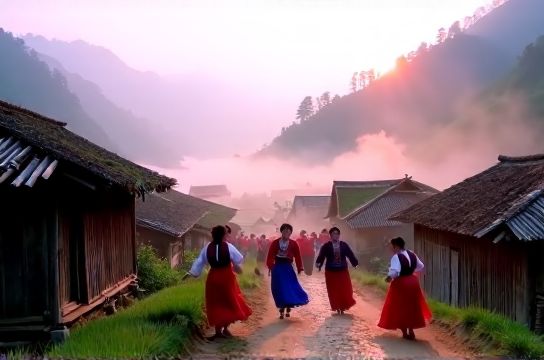
Why Rural China?
China’s countryside isn’t just scenic—it’s soul-stirring. Over 120 officially recognized ethnic groups call rural regions home, each with unique languages, clothing, festivals, and cuisine. From the Dong people’s legendary polyphonic singing to the Miao’s silver jewelry craftsmanship, this is living heritage.
According to China National Tourism Administration, domestic eco-tourism in rural areas grew by 18% in 2023. International travelers are catching on too—especially those craving authentic, low-impact experiences.
Top 4 Ethnic Regions to Visit
| Region | Ethnic Group | Highlight Experience | Best Time to Visit |
|---|---|---|---|
| Guizhou Province | Miao & Dong | Silver festival crafts, drum towers | April–October |
| Yunnan (Xishuangbanna) | Dai | Water-Splashing Festival | March–May |
| Sichuan (Abba Prefecture) | Tibetan | Monastery visits, yak butter tea | May–September |
| Guangxi (Longsheng) | Zhuang & Yao | Dragon’s Backbone Rice Terraces | September–November |
Real Talk: What to Expect
No five-star resorts here—but that’s the point. Think family-run guesthouses (minjus) serving farm-to-table meals. In Zhaoxing Dong Village, a night’s stay averages just $25 USD, including dinner and cultural performances.
Language? Mandarin works in tourist spots, but smiles and gestures go further. Locals often gift visitors red strings for luck or invite you to join morning rice pounding. These aren’t staged shows—they’re daily life.
Responsible Travel Tips
- Ask before photographing—some rituals are sacred.
- Support local artisans—buy handwoven textiles directly, not mass-produced souvenirs.
- Travel slow—spend at least 2–3 nights per village to build trust and depth.
Rural tourism now contributes over 30% of income in some ethnic villages (World Bank, 2022). Your visit can empower communities—not just observe them.
Final Thoughts
Rural China isn’t a backdrop. It’s a heartbeat. Whether you’re dancing at a Miao harvest festival or sipping butter tea on a Tibetan plateau, you’re not just traveling—you’re connecting.
So pack light, respect deep, and let the mountains whisper their stories. This is the China few see—but everyone remembers.