
Inside China's Youth Subcultures and Social Change
- Date:
- Views:225
- Source:The Silk Road Echo
In the neon-lit streets of Shanghai, the beat of underground hip-hop pulses through hidden basements. In Chengdu, young guochao (国潮) fans proudly rock Hanfu at weekend markets. Meanwhile, on Bilibili, millions of Gen Zers dive into "wanquan zhongguo ren" (complete Chinese people) cosplay or debate philosophy in anime avatars. Welcome to modern China’s youth revolution—not led by protests, but by pixels, playlists, and personal identity.
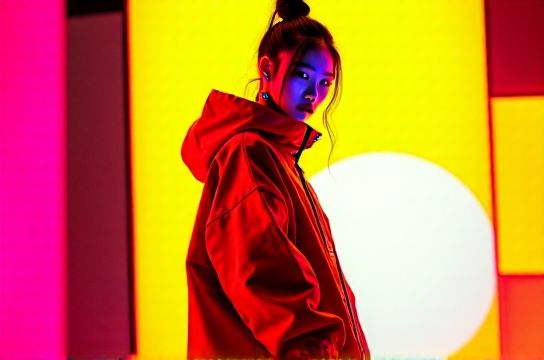
China’s youth aren’t rebelling with slogans; they’re rewriting culture from the inside. With over 175 million people aged 15–24, this generation is shaping a new social fabric—one stitched with digital threads and post-materialist values.
The Rise of Digital Tribes
Forget traditional class divides. Today’s Chinese youth sort themselves into subcultures defined by passion, not politics. From VSCO girls in tiered necklaces snapping eco-conscious TikToks to otaku deep in Danmei fanfiction circles, identity is fluid, curated, and fiercely online.
Bilibili, often called “China’s Reddit meets YouTube,” hosts over 300 million monthly active users, with 80% under 30. It’s where subcultures thrive—like the Er Ci Yuan (二次元, “second dimension”) community obsessed with anime, VTubers, and virtual idols like Luo Tianyi, who sold out arenas without ever existing in real life.
From Hanfu to Hip-Hop: The Style Revolution
Fashion is the frontline. The guochao movement—blending traditional aesthetics with streetwear—has exploded. Brands like Li-Ning and Peacebird now dominate malls, while Hanfu sales jumped 270% from 2019 to 2022, hitting ₹10 billion ($1.2B USD) annually.
Meanwhile, hip-hop, once censored after 2018’s “clean up the internet” campaign, found refuge in cities like Chengdu and Wuhan. Rappers like Higher Brothers took Sichuan slang global, blending trap beats with local flavor.
| Subculture | Key Platform | Estimated Followers (Millions) | Growth Driver |
|---|---|---|---|
| Guochao / Hanfu | Little Red Book (Xiaohongshu) | 65 | National pride + fashion innovation |
| Er Ci Yuan (Anime) | Bilibili | 90 | VTubers & Danmei fandoms |
| Underground Hip-Hop | QQ Music, Douyin | 40 | Regional pride & lyrical authenticity |
| Eco-Zen Minimalists | WeChat Channels | 25 | Sustainability + anti-consumerism |
Why It Matters: More Than Just Trends
These subcultures aren’t just hobbies—they’re coping mechanisms. Facing 21.3% urban youth unemployment (mid-2023) and intense academic pressure, many retreat into curated worlds where they control the narrative.
Yet, paradoxically, these spaces foster soft resistance. By reclaiming Hanfu, youth challenge Western fashion dominance. By creating queer-positive Danmei content, they sidestep censorship through allegory. It’s rebellion with a bowtie—or a braid.
Social change in China today isn’t loud—it’s layered. And it’s being coded in emoji, embroidered on silk, and streamed live at 2 a.m. from a dorm room in Xi’an.
So if you want to understand China’s future, don’t just watch the headlines. Scroll Bilibili. Hit a Hanfu meetup. Listen to a freestyle in Chongqing slang. The next cultural wave isn’t coming—it’s already here.