
Inside Chinese Youth Culture and Urban Lifestyle Shifts
- Date:
- Views:301
- Source:The Silk Road Echo
If you think China is all about ancient temples and pandas, think again. The real pulse of modern China? It's beating in the underground clubs of Chengdu, buzzing through the coworking spaces of Shanghai, and scrolling across the smartphones of Gen Zers who’d rather order dinner via app than cook.
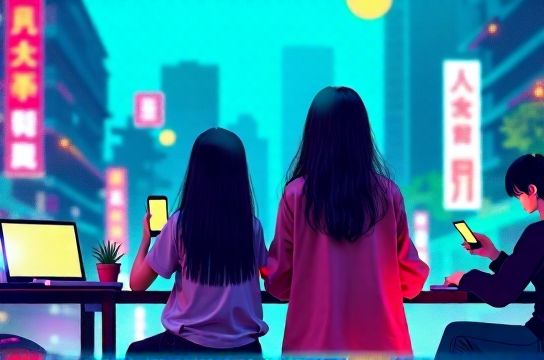
Chinese youth culture is undergoing a seismic shift — and it’s reshaping urban lifestyles in ways that are as bold as they are digital-first. Forget the stereotypes: today’s young Chinese aren’t just following trends — they’re setting them.
The Rise of Xiaoqu Life (and Why It Matters)
Gone are the days when city life meant wide boulevards and luxury malls. Enter xiaoqu — residential compounds where convenience meets community. These mini-cities house millions of urban youth, blending high-density living with hyper-local services.
Did you know? Over 68% of Chinese millennials live in xiaoqu-style housing (source: China Urban Development Report, 2023). And they’re not just sleeping there — they’re living entire lives within a 500-meter radius.
| Lifestyle Factor | Gen Z (%) | Millennials (%) | Primary Platform |
|---|---|---|---|
| Daily Food Delivery | 74 | 62 | Meituan |
| Uses Super-App Daily | 89 | 76 | WeChat/Alipay |
| Works Remotely ≥3x/week | 41 | 33 | DingTalk/Lark |
| Attends Offline Social Events Monthly | 58 | 47 | Little Red Book |
Social Media Isn’t Just for Selfies — It’s a Lifestyle Engine
Platforms like Xiaohongshu (Little Red Book) and Douyin (China’s TikTok) aren’t just apps — they’re cultural GPS systems. Young urbanites turn to them not just for fashion inspo, but for everything from therapy tips to hidden teahouses.
A 2024 survey found that 61% of users aged 18–30 rely on Xiaohongshu for weekend plans. That’s more than any travel guide or friend group. And brands? They’ve noticed. Pop-up stores now launch exclusively based on viral posts.
The “Lying Flat” Myth vs. Reality
You’ve probably heard of tanping, or “lying flat” — the supposed retreat from hustle culture. But here’s the twist: it’s less about laziness and more about redefining success.
Yes, 44% of young professionals say they reject 9-to-9 workweeks (China Labor Monitor, 2023), but that doesn’t mean they’re idle. Instead, many are launching side gigs — think indie coffee brands, NFT art, or KOL consulting — all while working fewer hours at traditional jobs.
This isn’t burnout. It’s balance. And cities like Hangzhou and Chengdu are becoming hubs for this new hybrid lifestyle: productive, yes — but on their own terms.
Urban Spaces Are Adapting — Fast
Landlords are swapping office leases for co-living pods. Malls are replacing anchor stores with cat cafes and VR arcades. Even public parks now host DJ sets and pop-up yoga classes.
In Shanghai, over 120 new micro-cultural spaces opened in 2023 alone — intimate venues under 200 sqm designed for niche communities: vinyl lovers, poetry slammers, analog photographers.
What This Means for the Future
China’s youth aren’t rejecting urban life — they’re reinventing it. With digital tools as their backbone and community as their currency, they’re building a lifestyle that’s flexible, expressive, and fiercely local.
So if you're visiting or investing, don’t just look at skyscrapers. Step into a xiaoqu. Scan a QR code at a pop-up bar. Check Xiaohongshu for tonight’s secret gig. That’s where the real story is unfolding.