
Exploring Chinese Society Through Youth Lifestyle Changes
- Date:
- Views:293
- Source:The Silk Road Echo
If you think China is just about ancient temples and pandas, think again. The real pulse of modern China? It’s beating in the lifestyles of its youth. From late-night bubble tea runs to digital nomad dreams, young Chinese are reshaping society one WeChat moment at a time.
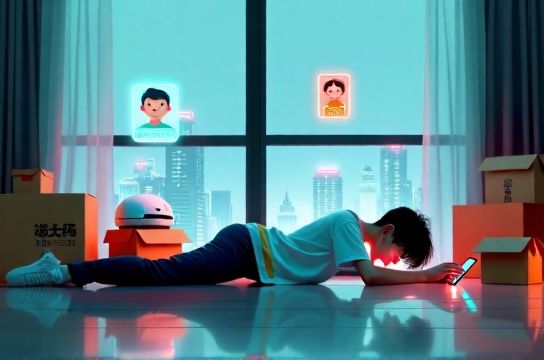
Let’s dive into how Gen Z and Millennials in China are not just following trends — they’re creating them, and in the process, redefining what it means to be young in the world’s second-largest economy.
The Rise of “Lazy Economy” and Comfort Living
Gone are the days when hard work meant grinding 9-to-9. Today’s Chinese youth embrace what’s called the “lazy economy” — a lifestyle prioritizing convenience, emotional comfort, and mental well-being. Think robot vacuums, ready-to-eat meals, and AI-powered personal assistants. In 2023, China’s instant meal market hit ¥450 billion ($62 billion), with over 68% of buyers under 35.
| Lifestyle Trend | Market Size (2023) | Youth Adoption Rate |
|---|---|---|
| Instant Meals | ¥450 billion | 68% |
| Solitude Economy (single-use products) | ¥120 billion | 75% |
| Digital Therapy Apps | ¥3.8 billion | 52% |
This isn’t laziness — it’s smart living. With rising urban stress and sky-high housing prices, young people are investing in time-saving solutions that protect their peace.
From Hustle Culture to “Lying Flat”
The term “tang ping”, or “lying flat,” went viral in 2021 as a quiet rebellion against relentless work culture. Instead of chasing promotions, many youth are choosing minimalism, part-time gigs, and even rural retreats. A 2023 survey found that 44% of urban millennials would consider leaving big cities for a slower pace of life.
But don’t mistake this for defeat. It’s a recalibration. As one Shenzhen-based designer put it: “I’m not giving up — I’m redesigning success.”
Digital Identity & Social Expression
Platforms like Xiaohongshu (Little Red Book) and Bilibili aren’t just apps — they’re cultural labs. Over 70% of Gen Z use these platforms to explore identities, from gender fluidity to eco-conscious fashion. Virtual idols like Luo Tianyi have millions of fans, blurring lines between real and digital selves.
E-commerce follows suit. Livestream shopping, dominated by influencers like Li Jiaqi, generated over ¥2 trillion in sales in 2023 — with youth making up nearly 60% of viewers.
Love, Loneliness, and the Marriage Question
Marriage rates in China have dropped for nine straight years. In 2023, only 6.8 per 1,000 people tied the knot — down from 10 just a decade ago. Why? Young people cite financial pressure, career focus, and a desire for independence.
Yet, love isn’t dead. “Emotional consumption” is booming — from pet ownership (over 60 million households now have pets) to paid companionship apps. As one Beijing college student said: “My dog is my boyfriend. He listens better.”
What This Means for China’s Future
Youth lifestyle shifts aren’t just personal choices — they’re social signals. They reflect deeper issues: inequality, mental health, and evolving values. But they also spark innovation. Whether it’s mental wellness startups or sustainable fashion brands, young Chinese are voting with their wallets — and shaping tomorrow’s economy.
In short, if you want to understand where China is headed, stop watching Politburo meetings. Open a Xiaohongshu post. That’s where the future is being written — one curated selfie, one instant noodle pack, and one quiet act of resistance at a time.