
Chinese Society Explained Through Modern Social Phenomena
- Date:
- Views:247
- Source:The Silk Road Echo
Ever wondered why millions of Chinese年轻人 (young people) are ditching marriage? Or how guanxi still runs the show in a hyper-digital economy? Welcome to modern Chinese society — a wild mix of ancient values, breakneck urbanization, and social media madness. Let’s dive into the real stories behind the stats.
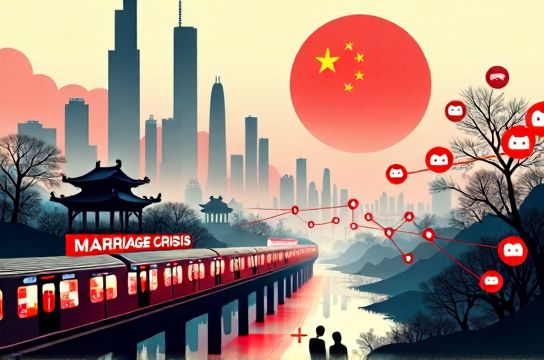
The Marriage Crisis: Why Singles Rule
In 2023, China hit a record low of just 6.8 million marriages — down from 10.6 million in 2013. That’s a 36% drop in a decade. Meanwhile, divorce rates have skyrocketed, especially in cities like Beijing and Shanghai.
Why? It’s not just about love. For many young adults, marriage means financial pressure, housing costs, and rigid family expectations. Women, in particular, face a tough choice: conform or stay independent. And guess what? More are choosing independence.
| Year | Marriages (in millions) | Divorces (in millions) |
|---|---|---|
| 2013 | 10.6 | 3.1 |
| 2018 | 9.7 | 4.5 |
| 2023 | 6.8 | 5.2 |
Digital Life: WeChat is Everything
If you think Facebook or WhatsApp is powerful, meet WeChat. Over 1.3 billion users rely on it for messaging, payments, doctor appointments, and even government services. In China, not having WeChat is like living off the grid.
But here’s the twist: this convenience comes with surveillance. The app tracks behavior, feeds data to algorithms, and blends public and private life. Love it or hate it, WeChat reflects how tech shapes social trust — and control.
Guanxi: The Invisible Network
You can’t understand China without guanxi — the web of personal connections that opens doors. Got a job? Probably through a cousin’s friend. Need a hospital bed fast? Call your uncle’s colleague.
Even in 2024, over 60% of urban professionals say guanxi helped them land jobs. It’s not corruption — it’s culture. Trust is personal, not institutional. So while LinkedIn thrives in the West, China’s career game is still played over dinner and red envelopes.
The Hustle Culture Trap
Remember “996”? Work 9 AM to 9 PM, 6 days a week. Once praised as the startup dream, it’s now seen as toxic. Yet, hustle culture lingers — especially among millennials chasing homeownership or social status.
But Gen Z is pushing back. They’re embracing tang ping (lying flat) — rejecting burnout, opting for minimalism and mental peace. A 2023 survey found 43% of those under 30 would take a pay cut for better work-life balance.
Urban vs. Rural: Two Chinas?
Shanghai feels like the future. But step into rural Gansu, and you’ll see elderly farmers, limited internet, and shrinking villages. The urban-rural gap remains wide:
- Average urban income (2023): ¥84,000 (~$11,700)
- Average rural income: ¥20,000 (~$2,800)
Mobility exists, but at a cost. Migrant workers — over 290 million of them — power cities yet live without full social benefits. Their kids often stay behind, raised by grandparents. This ‘left-behind’ generation faces emotional and educational challenges.
Final Thoughts: Tradition Meets Tomorrow
Modern Chinese society isn’t just about skyscrapers and AI. It’s a complex dance between old beliefs and new realities. From marriage strikes to digital dominance, the story is evolving — fast.
So next time you hear about China, look beyond the headlines. The real insights? They’re in the lifestyle shifts, the quiet rebellions, and the unspoken rules that still shape lives.