
Education Pressure and Youth Wellbeing China
- Date:
- Views:410
- Source:The Silk Road Echo
In today’s fast-paced China, academic pressure isn’t just a challenge—it’s a lifestyle for millions of students. From early mornings to late-night study sessions, the pursuit of top scores has become a national obsession. But what does this relentless grind do to young minds? Let’s dive into the real story behind China’s education pressure and its impact on youth wellbeing.
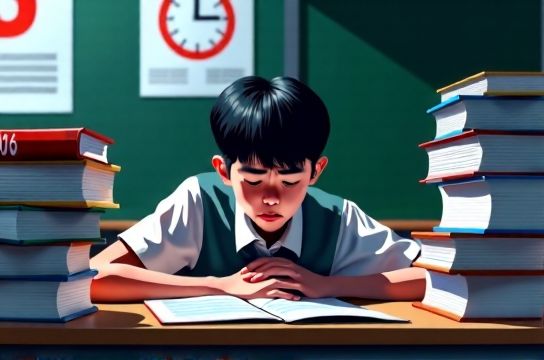
The Weight of Expectations
Chinese students face some of the highest academic expectations in the world. With the gaokao (national college entrance exam) acting as the ultimate gatekeeper to success, the stakes are sky-high. A single test can determine your university, career path, and even social status. No wonder stress starts as early as primary school.
According to a 2023 survey by the Chinese Academy of Sciences, over 68% of middle and high school students report symptoms of anxiety, while nearly 45% show signs of depression linked to academic pressure.
Study Load vs. Mental Health: By the Numbers
To put things in perspective, here’s how China compares globally in terms of student workload and mental health:
| Country | Avg. Study Hours/Week | Students Reporting High Stress | Youth Depression Rate (%) |
|---|---|---|---|
| China | 50+ | 72% | 45 |
| South Korea | 48 | 69% | 40 |
| USA | 35 | 48% | 28 |
| Finland | 30 | 32% | 18 |
As you can see, Chinese students spend 15+ extra hours per week studying compared to their Finnish peers—yet Finland consistently ranks higher in global education quality and student happiness.
The Hidden Cost of 'Success'
We’re producing top scorers, but at what cost? Burnout, sleep deprivation, and emotional numbness are common among teens. Many kids admit they don’t know what they truly enjoy—they’ve only ever known how to obey the system.
A 2022 PISA report revealed that only 28% of Chinese students feel a sense of belonging at school, the lowest among all participating countries. That’s heartbreaking when you think about it.
Is Change Possible?
Yes—and it’s already starting. In recent years, China launched the 'Double Reduction' policy, cutting down on homework and banning private tutoring. The goal? Lighten the load and give childhood back to kids.
Early results are promising. In cities like Chengdu and Hangzhou, schools have reported a 20–30% drop in student stress levels and improved classroom engagement since the reform.
What Parents & Schools Can Do
- Prioritize balance: Encourage hobbies, sports, and downtime—not just grades.
- Talk openly about emotions: Normalize mental health conversations at home and in class.
- Redefine success: A great future isn’t just about top universities. Passion, resilience, and kindness matter too.
Final Thoughts
China’s education system has produced brilliance—but it’s time to measure progress not just by test scores, but by the smiles on students’ faces. Real success means raising not just smart kids, but healthy, happy, and whole ones.
The journey is long, but awareness is the first step. Let’s build a future where education nurtures the mind and protects the soul.