
Life as a Young Adult in Contemporary China
- Date:
- Views:283
- Source:The Silk Road Echo
Navigating life as a young adult in contemporary China? Buckle up—it's equal parts exhilarating, exhausting, and everything in between. From sky-high expectations to digital hustle culture, today’s Chinese youth are redefining what it means to "make it" in one of the world’s most dynamic societies.
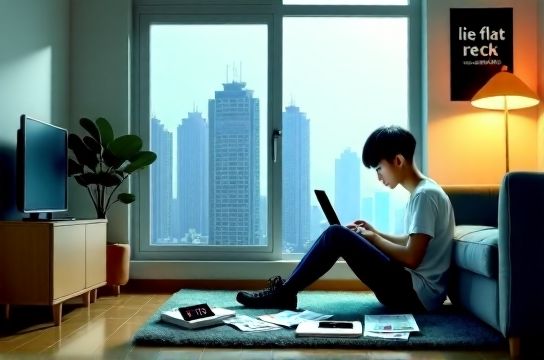
Let’s cut through the noise. Forget the old-school blueprint: graduate, get a stable job, marry by 28. A growing number of post-90s and post-00s are hitting pause on traditional milestones. Why? Because reality looks different now—skyrocketing housing prices, competitive job markets, and the psychological weight of filial duty all play a role.
Take housing. In first-tier cities like Beijing or Shanghai, the average home price exceeds ¥60,000 per square meter. For a young professional earning ¥15,000 monthly, saving for a down payment feels less like a goal and more like a myth. No wonder over 63% of urban millennials still live with their parents, not out of laziness—but necessity.
And work? The infamous "996" grind (9 AM to 9 PM, 6 days a week) may be officially discouraged, but its ghost lingers. Tech startups, finance firms, even state-owned enterprises often expect relentless output. Burnout is real. Yet, paradoxically, this pressure has sparked a cultural shift: the rise of "tang ping" or "lying flat." It’s not about laziness—it’s a quiet rebellion against unsustainable hustle norms.
The New Normal: Data Snapshot
| Metric | Statistic | Source |
|---|---|---|
| Avg. Monthly Salary (Tier-1 Cities) | ¥14,800 | Zhaopin Report, 2023 |
| Housing Price per sqm (Beijing) | ¥67,200 | Numbeo, 2023 |
| Young Adults Living with Parents (Ages 22–35) | 63% | NBS Urban Survey |
| Marriage Rate Drop (vs. 2013 peak) | -47% | Civil Affairs Ministry |
| Gen Z Preferring Work-Life Balance Over Promotion | 71% | McKinsey China Youth Survey |
But let’s not paint a bleak picture. This generation is also resiliently creative. Side hustles are booming—think livestream selling, freelance design, or running niche content channels on Xiaohongshu or Bilibili. Digital platforms have become launchpads for self-expression and income alike.
And emotionally? They’re more open. Mental health, once taboo, is now discussed openly online. Apps like Halo and Xiaoyu offer affordable counseling. Universities are expanding psychological services. Progress? Yes—but stigma still lingers in conservative circles.
So where does this leave young adults in China today? Not lost, but reorienting. They’re trading blind ambition for mindful living. Choosing passion projects over prestige. Delaying marriage not from fear—but from intention.
In short: life as a young adult in China isn’t about following a script. It’s about writing your own—with Wi-Fi, wits, and a little bit of rebellion.