
What Drives China's Urban Youth Lifestyle
- Date:
- Views:311
- Source:The Silk Road Echo
If you've been paying attention to global youth culture, you can't ignore the pulse of China's urban youth. From Shanghai's neon-lit rooftops to Chengdu's laid-back tea houses, young city dwellers in China are redefining what it means to live well — and they're doing it on their own terms.
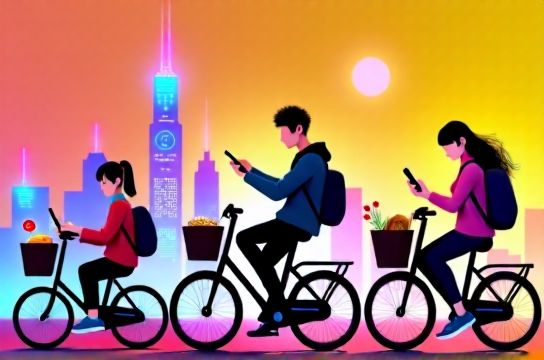
Gone are the days when career success was the only goal. Today’s Chinese millennials and Gen Zers prioritize work-life balance, personal fulfillment, and digital connection. A 2023 survey by McKinsey found that 68% of urban youth aged 18–35 would trade a higher salary for more flexible working hours. That’s not laziness — it’s a lifestyle revolution.
Let’s break down what’s really driving this shift.
The Rise of 'Xiaoqu Life'
'Xiaoqu' (小区), or residential communities, have become micro-hubs of youth culture. These aren’t just housing complexes — they’re ecosystems blending co-living spaces, pop-up cafes, fitness studios, and even coworking lounges. In Beijing, over 40% of new real estate developments now include mixed-use zones catering specifically to young professionals.
Digital Natives, Real-World Impact
China’s urban youth spend an average of 3.5 hours daily on social platforms like Xiaohongshu (Little Red Book) and Douyin (TikTok). But it’s not just scrolling — it’s curating lifestyles. Over 75% use these apps to discover local experiences, from indie art exhibits to vegan brunch spots.
And brands are noticing. KFC China recently launched a 'Digital Youth Hub' in Shenzhen, combining fast food with AR gaming zones and livestream studios — all designed to attract under-30 customers.
Lifestyle Spending Snapshot
Here’s how urban youth allocate their disposable income (monthly average, RMB):
| Category | Average Spend (RMB) | Top Platforms/Spots |
|---|---|---|
| Coffee & Cafés | 420 | Seesaw, Manner, %Arabica |
| Fitness & Wellness | 380 | Supermonkey, Pure Yoga |
| Culture & Events | 310 | Livehouse gigs, art galleries |
| Online Subscriptions | 190 | Bilibili, NetEase Cloud Music |
Notice anything? Experiences > possessions. This generation isn’t buying luxury bags — they’re investing in mood, memory, and identity.
The Mental Health Shift
Stress from high-pressure jobs and sky-high housing costs has sparked a wellness awakening. Apps like Xinya (backed by Alibaba) offer AI-powered mental health coaching, used by over 12 million young users. Therapy is no longer taboo — it’s trendy.
So, What’s the Takeaway?
China’s urban youth aren’t just living differently — they’re leading a cultural reset. They value authenticity over status, flexibility over tradition, and community over conformity.
For businesses, travelers, or anyone curious about modern China: pay attention. The future isn’t just urban — it’s youthful, digital, and deeply intentional.