
Influence of Kpop on Chinese Teenagers Today
- Date:
- Views:306
- Source:The Silk Road Echo
If you've spent any time scrolling through Chinese social media lately, you’ve probably noticed one thing: Kpop is everywhere. From TikTok dance challenges to Weibo fan wars, South Korean pop culture has firmly planted its flag in the hearts of Chinese teenagers. But what exactly makes Kpop so magnetic? And how deep does its influence really go?
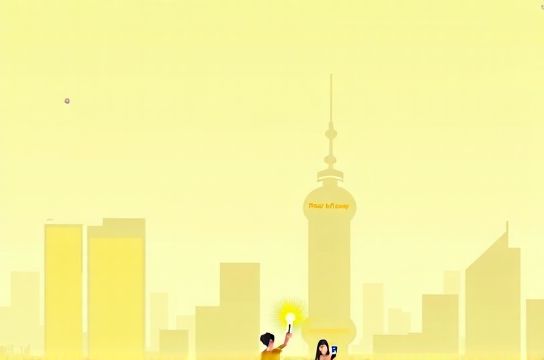
Let’s break it down — with data, real talk, and a few surprises.
The Kpop Wave: More Than Just Music
Kpop isn’t just catchy tunes and slick choreography. For Chinese teens, it’s a lifestyle. A 2023 survey by YouGov China found that over 68% of urban teenagers aged 13–19 regularly consume Kpop content — be it music videos, variety shows, or fashion trends. That’s nearly 7 out of 10 kids vibing to BTS, BLACKPINK, or Stray Kids on the daily.
But why? Part of the appeal lies in production quality. Kpop idols train for years under rigorous programs — some starting as young as 12. This ‘idol system’ produces performers who sing, dance, act, and look flawless. It’s entertainment perfection, and Chinese youth are hooked.
Cultural Impact: Language, Fashion & Identity
It’s not just about fandom. Kpop is quietly reshaping how Chinese teens express themselves. Take language learning: according to Hanban, enrollment in Korean language courses among high schoolers in Beijing and Shanghai rose by 45% from 2020 to 2023. Many cite Kpop as their motivation.
Fashion? Look no further than Taobao. Searches for “Korean-style streetwear” jumped 120% in 2022 alone. Brands like MLB, Ader Error, and even local knockoffs are flying off virtual shelves.
And let’s talk identity. In a society where academic pressure is intense, Kpop offers an emotional escape. It’s colorful, expressive, and celebrates individuality — something many teens crave.
Social Media: The Engine of Fandom
No Kpop movement would be complete without social media. Platforms like Bilibili, Weibo, and Douyin are flooded with fan edits, reaction videos, and cover dances. One viral challenge — BLACKPINK’s 'How You Like That' dance — generated over 1.2 million user videos on Douyin in just three months.
Fans don’t just watch — they participate. They translate lyrics, organize donation campaigns, and even fund outdoor billboards in Seoul to celebrate idol birthdays. Yes, really.
But It’s Not All Smooth Sailing
The Chinese government has kept a close eye on foreign cultural influence. In 2021, regulators tightened rules on 'fan circle' culture, cracking down on excessive spending and online toxicity. Some Kpop groups have faced broadcast restrictions, and collaborations between Chinese and Korean entertainers have cooled.
Yet, fans adapt. They use coded language, private fan groups, and encrypted messaging apps to keep the flame alive. As one 16-year-old from Guangzhou put it: 'They can limit the stage, but they can’t limit our hearts.'
Kpop’s Reach: By the Numbers
Here’s a snapshot of Kpop’s footprint in China:
| Metric | Data | Year |
|---|---|---|
| Teens consuming Kpop weekly | 68% | 2023 |
| Korean language learners (ages 13–19) | +45% | 2020–2023 |
| 'K-style fashion' search growth on Taobao | +120% | 2022 |
| Douyin videos for top Kpop challenge | 1.2M+ | 3 months |
Kpop isn’t just trending — it’s transforming. It’s teaching language, shaping style, and giving teens a voice in a fast-changing world. Love it or question it, its impact is undeniable.
So next time you see a teen mouthing Korean lyrics or nailing a perfect dance move, remember: it’s more than entertainment. It’s a cultural shift, one beat at a time.