
Food Delivery Workers Lives in Mega Chinese Cities
- Date:
- Views:291
- Source:The Silk Road Echo
In the bustling streets of Beijing, Shanghai, and Shenzhen, food delivery riders weave through traffic like modern-day urban knights. With helmets on and smartphones buzzing, these gig workers power China’s $50 billion online food delivery market. But behind the convenience lies a complex reality—long hours, tight deadlines, and razor-thin margins.
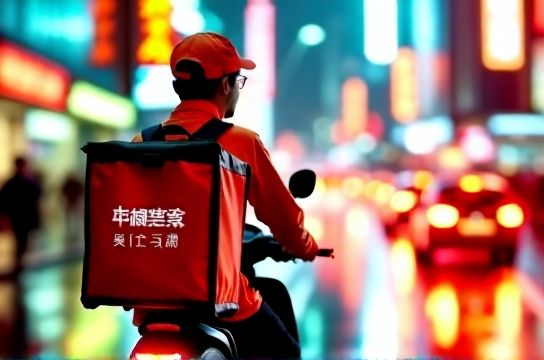
Over 7 million delivery workers operate across China, with nearly 60% under 30 years old, according to a 2023 report by iResearch. Most are migrants from rural areas seeking better income in megacities. They earn an average of ¥8,000–12,000 ($1,100–1,700) per month—but this comes at a steep cost.
The Daily Grind: Speed Over Safety
Riders often work 10–14 hour shifts, completing 40–60 orders daily. Platforms like Meituan and Ele.me use AI algorithms to optimize delivery times, sometimes allowing just 30 minutes for a 5km trip. Miss a deadline? Pay cuts or penalties follow.
A 2022 study published in Social Science & Medicine found that over 30% of delivery workers had been involved in traffic accidents, many due to rushing. "I’ve broken two phones and scraped my knees three times," said Li Wei, a 26-year-old rider in Guangzhou. "But if I slow down, I lose money."
Income vs. Expenses: The Real Takeaway
While top performers can hit ¥15,000 monthly, most take home less after expenses. Here's a breakdown of a typical rider’s monthly finances in Shanghai:
| Category | Average Cost (¥) |
|---|---|
| Rent (shared apartment) | 2,500 |
| Motorbike Rental/Maintenance | 1,200 |
| Data Plan & Phone | 300 |
| Meals | 1,500 |
| Miscellaneous | 500 |
| Total Expenses | 6,000 |
| Avg. Net Income | ~¥4,000–6,000 |
That’s barely above Shanghai’s minimum wage—and no official benefits like health insurance or pensions.
Algorithms in Control
Platforms use real-time data to assign orders, track speed, and rate performance. While efficient, this system leaves little room for human error. Riders report being penalized for late deliveries caused by elevator waits or incorrect addresses. One worker described the app as "our boss, judge, and jailer."
Public pressure has pushed companies to tweak systems. Meituan now offers optional delay reporting and safety training. But the core model remains: faster = more pay.
Hopes for Change
Some cities are testing regulations. Hangzhou introduced rest stations for riders; Beijing discussed social security inclusion. Worker collectives and NGOs also push for fairer treatment.
As consumers, we can help too—by tipping, giving accurate addresses, and choosing "safe delivery" options. After all, every hot meal delivered is powered by someone racing against the clock.