
Public Transport and Social Equality in China
- Date:
- Views:273
- Source:The Silk Road Echo
When it comes to urban mobility, China isn’t just building subways — it’s building bridges between social classes. Over the past two decades, the country has transformed its public transportation network into a powerful tool for promoting social equality. From bustling megacities like Beijing and Shanghai to emerging second- and third-tier cities, accessible, affordable transit is reshaping how millions live, work, and connect.
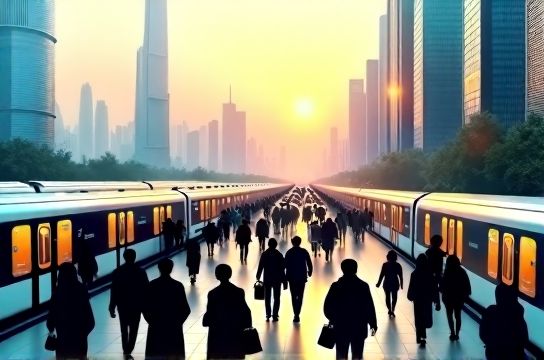
Let’s break it down: by 2023, China had over 8,500 kilometers of metro lines across more than 50 cities — the largest urban rail network in the world. In Beijing alone, the subway carries an average of 10 million passengers daily. And here’s the kicker: a single ride costs as little as 3 RMB (less than $0.40), making it accessible to nearly everyone, regardless of income.
But why does this matter? Because transportation access directly impacts job opportunities, education, healthcare, and social mobility. In low-income neighborhoods, reliable buses and metro stations reduce commute times and open doors to better-paying jobs in city centers. A 2022 study by Tsinghua University found that residents living within 500 meters of a metro station saw their monthly incomes rise by 12% on average compared to those without easy access.
Take Shenzhen, for example. Once a sleepy fishing village, it’s now a tech powerhouse with one of the most equitable transit systems in the country. Over 90% of residents live within a 15-minute walk of a bus or metro stop. The city also leads in adopting electric buses — operating over 16,000 e-buses, the largest fleet globally. This not only cuts pollution but ensures quieter, cleaner rides for all citizens, especially in densely populated areas.
| City | Metro Length (km) | Daily Ridership (Million) | Affordability Index* |
|---|---|---|---|
| Beijing | 783 | 10.2 | 0.9 |
| Shanghai | 831 | 11.5 | 0.85 |
| Guangzhou | 621 | 8.7 | 0.92 |
| Chengdu | 558 | 6.3 | 1.05 |
*Affordability Index: Cost of a monthly pass relative to average monthly income (lower = more affordable)
Beyond infrastructure, China’s digital leap has made transit even more inclusive. Mobile payment apps like Alipay and WeChat Pay allow anyone with a smartphone to tap and go — no bank card needed. Real-time tracking, route planners, and subsidized fares for students and seniors further level the playing field.
Critics may point to overcrowding or expansion costs, but the bigger picture is clear: public transport in China is more than convenience — it’s a quiet revolution in social equity. By prioritizing accessibility over luxury, the system empowers the working class, reduces urban inequality, and proves that smart policy can move people — literally and socially.