
Education Race and Parenting Stress in China
- Date:
- Views:242
- Source:The Silk Road Echo
In today’s China, the phrase 'don’t let your child lose at the starting line' isn’t just a saying—it’s a full-blown national mantra. From toddlers memorizing English words to middle schoolers pulling all-nighters, the education race is real, intense, and emotionally exhausting for both kids and parents.
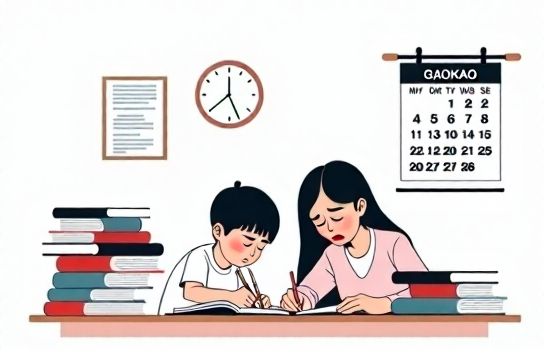
But what’s really driving this pressure? And how much are families sacrificing in the pursuit of academic excellence?
The Numbers Don’t Lie
According to a 2023 survey by China Youth Daily, over 75% of urban parents spend more than 3,000 RMB monthly on extracurricular tutoring. For some high-income families, that number skyrockets to 15,000 RMB—more than the average monthly salary in many cities.
And it starts early. A study from Peking University found that children in first grade already attend an average of 3.2 after-school programs, ranging from math olympiad training to piano lessons.
Why the Pressure?
The root lies in China’s hyper-competitive education system. The Gaokao, or national college entrance exam, remains the ultimate gatekeeper. Top universities like Tsinghua and Peking University admit less than 1% of test-takers annually. With so much riding on one exam, parents feel they must prepare their kids years in advance.
But it’s not just academics. Social comparison plays a huge role. In group chats and parent-teacher meetings, achievements are shared, compared, and sometimes weaponized. No one wants to be the parent whose kid ‘falls behind.’
The Hidden Cost: Parenting Stress
A 2022 report by the Chinese Mental Health Association revealed that 68% of parents with school-age children experience moderate to severe anxiety related to education. Symptoms include sleeplessness, irritability, and even physical illness.
Worse, this stress trickles down. Kids report feeling like they’re constantly being evaluated—not loved for who they are, but for their report cards.
Is There a Way Out?
Recent policy shifts offer hope. The ‘Double Reduction’ policy, launched in 2021, banned excessive homework and for-profit tutoring in core subjects. While enforcement varies, many families report slightly lighter schedules and lower expenses.
Still, change is slow. As long as university admissions remain fiercely competitive, the pressure won’t vanish overnight.
What Parents Can Do
- Reframe success: Academic achievement is important, but emotional intelligence and creativity matter too.
- Set boundaries: Limit tutoring hours. Prioritize family time and unstructured play.
- Seek support: Join parenting groups focused on mental wellness, not just test scores.
By the Numbers: Education Spending & Stress Levels
| Category | Average Monthly Spend (RMB) | Parent Stress Level (1-10) |
|---|---|---|
| Preschool (Ages 3–6) | 2,800 | 6.5 |
| Primary School (Grades 1–6) | 4,200 | 7.8 |
| Middle School (Grades 7–9) | 5,600 | 8.4 |
| High School (Grades 10–12) | 7,100 | 9.1 |
The takeaway? The education race in China is fueled by deep structural forces—but also by cultural expectations we can rethink. It’s time to ask: What kind of future are we preparing our kids for? One of grades and rankings? Or one of balance, resilience, and joy?