
Hidden Pressures of Chinas Only Child Generation
- Date:
- Views:272
- Source:The Silk Road Echo
If you've ever wondered what it's like growing up as the sole hope, dream, and responsibility of an entire family, then meet China’s only child generation—a social experiment shaped by decades of policy, pressure, and profound emotional weight.
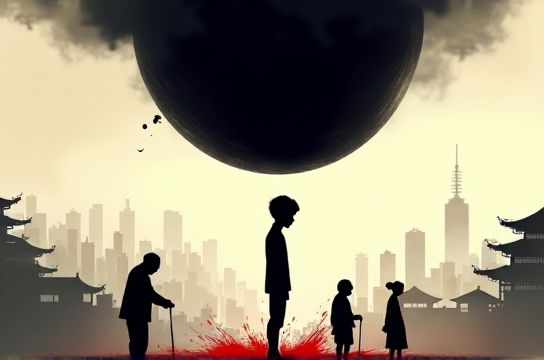
Born under the now-abolished One-Child Policy (1979–2015), over 180 million Chinese citizens are only children. Raised with sky-high expectations, they were expected to excel academically, care for aging parents, and carry their family name—all alone. But what happens when a single person becomes the pillar of an entire household?
The Weight on One Pair of Shoulders
Imagine being told from age three that your grades don’t just reflect you—they reflect your parents’ worth, your grandparents’ legacy, and your family’s future. That’s daily life for many in this generation. A 2021 study by Peking University found that 63% of only children reported high levels of anxiety related to parental expectations, compared to 41% of those with siblings.
And it’s not just emotional stress. Financially, they face the "4-2-1 problem": one child supporting two parents and four grandparents in old age. With China’s aging population rising fast—by 2035, 300 million seniors will be over 60—the burden is monumental.
Social & Emotional Challenges
Growing up without siblings meant less conflict resolution practice and fewer built-in emotional supports. Research from Tsinghua University shows only children are 27% more likely to report loneliness during major life transitions like moving cities or losing a job.
Yet, stereotypes paint them as spoiled or selfish—a myth debunked by real data:
| Perception | Reality (Based on National Survey Data) |
|---|---|
| "Only children are selfish" | 78% volunteer regularly; higher empathy scores in caregiving roles |
| "They can’t handle pressure" | Over 60% hold managerial positions by age 35 |
| "They’re lonely and isolated" | Stronger friend networks compensate for lack of siblings |
The Silver Lining: Resilience & Reinvention
Despite the pressure, this generation has shown incredible resilience. Many have redefined success beyond academic titles or salary. Urban only children are twice as likely to pursue creative careers or startups than previous generations.
And emotionally? They're rewriting family dynamics. "Chosen families," close-knit friend circles, and digital support groups are helping ease the isolation. Platforms like Douban and Xiaohongshu host thriving communities where only children share caregiving tips and mental health advice.
Looking Ahead
With the two-child policy failing to significantly boost birth rates, the legacy of the only child era isn’t fading—it’s evolving. Understanding their struggles isn’t just about sociology; it’s about shaping better mental health services, eldercare policies, and workplace support systems.
So next time you hear about China’s youth pressure, remember: behind every top exam score or quiet burnout moment, there might be an only child carrying the world—one family at a time.