
Life Behind the Great Firewall in China
- Date:
- Views:212
- Source:The Silk Road Echo
Living in China means embracing a digital world that's both advanced and, well, a little different. While you can hail a robot taxi in Shanghai or pay for street baozi with just a QR code, there's one thing you'll quickly notice: Google, Instagram, and even this blog? Blocked. Welcome to life behind the Great Firewall.
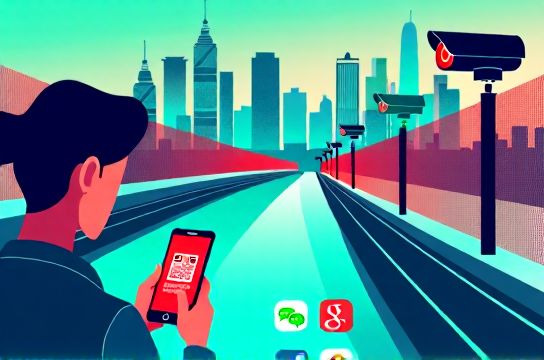
The Great Firewall of China isn’t just a myth whispered among expats—it’s real, it’s massive, and it shapes how over 1 billion people access the internet every single day. But don’t panic. With a few smart moves, you can still stay connected, informed, and even entertained—without breaking any rules.
What Exactly Is the Great Firewall?
Think of it as China’s ultra-strict internet border control. It uses deep packet inspection, DNS filtering, and IP blocking to keep out foreign platforms deemed 'unstable' or 'inappropriate.' That includes:
- Google (and all its services)
- Social media like Facebook, Twitter, Instagram
- News outlets such as BBC, The New York Times
- Many VPN services (yes, even some you thought were safe)
But here’s the twist: China didn’t just block the web—it built its own. Meet the 'Chinese Internetscape.'
Meet Your New Digital Best Friends
You can’t use Uber? No problem. Didi is faster, cheaper, and speaks your language (literally). Want social media? WeChat does messaging, payments, ordering food, booking doctors—and yes, even government services.
Here’s a quick cheat sheet of what’s blocked vs. what’s buzzing in China:
| Blocked Abroad Platforms | Local Chinese Alternatives | User Base (2023) |
|---|---|---|
| Baidu | 620 million users | |
| YouTube | Bilibili / Youku | Bilibili: 315 million MAU |
| WeChat Moments / Weibo | WeChat: 1.3 billion users | |
| Same as above | ||
| 580 million MAU |
These aren’t just knockoffs—they’re often more feature-rich than their global cousins. Try sending money via WhatsApp. Can’t? WeChat can.
So… Can You Access the Real Internet?
Short answer: It’s complicated.
Technically, using unauthorized VPNs is illegal. In practice? Many foreigners and businesses use corporate-approved ones. Just don’t download them after landing in China—get them set up before you arrive.
Pro tip: Apple’s App Store in China doesn’t list most VPNs. Switch your account region to the US while abroad to download ExpressVPN, NordVPN, or Astrill—some of the few that still work (for now).
Cultural Hack: Blend In, Don’t Fight
The smartest move? Stop trying to recreate the Western internet. Instead, dive into the local ecosystem. Use Alipay. Follow influencers on Douyin (China’s TikTok). Read news on Caixin or The Paper.
You’ll not only survive—you’ll thrive. Locals appreciate when foreigners make the effort. Plus, try paying with cash in 2024? Good luck.
Final Thoughts
The Great Firewall isn’t going anywhere. But it’s not just a wall—it’s a gateway to a parallel digital universe. One where convenience often trumps openness, and innovation happens in isolation.
So embrace it. Learn the rules. Master the apps. Because once you do, you’ll realize: life behind the firewall isn’t limiting—it’s just different.