
Street Vendors in the Age of Digital Payments
- Date:
- Views:212
- Source:The Silk Road Echo
In today’s fast-moving digital world, even the humble street vendor is tapping into tech to survive and thrive. From bustling Bangkok night markets to New York City’s food truck hubs, digital payments are reshaping how small-scale sellers do business. No more fumbling for change—just a quick QR scan and cha-ching! But what does this shift really mean for these grassroots entrepreneurs?
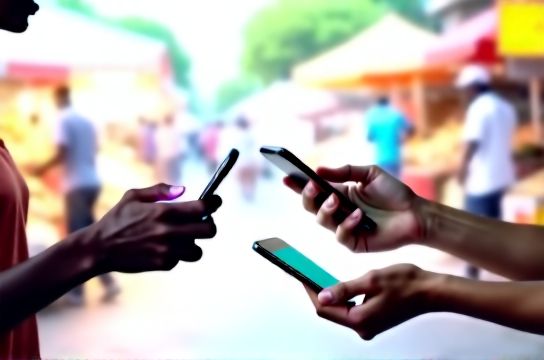
Let’s dive into how mobile wallets, contactless payments, and fintech platforms are transforming sidewalk commerce—with real data, real impact, and a few surprising challenges.
The Digital Leap: Why Street Vendors Are Going Cashless
Gone are the days when carrying cash was the only option. According to the World Bank, over 80% of global consumers now use digital payment methods regularly. For street vendors, adopting tools like PayPal, Venmo, or local apps such as India’s UPI or Kenya’s M-Pesa isn’t just trendy—it’s practical.
- Speed: Transactions take seconds, reducing queues.
- Safety: Less cash on hand means lower theft risk.
- Record-keeping: Digital trails help with taxes and budgeting.
A 2023 IMF study found that street vendors using digital payments saw a 27% increase in daily sales on average—likely due to faster turnover and customer convenience.
Global Snapshot: How Different Markets Are Adapting
Digital adoption varies widely by region. Let’s break it down:
| Region | % of Vendors Using Digital Payments | Popular Platforms | Avg. Sales Increase |
|---|---|---|---|
| East Asia | 68% | WeChat Pay, Alipay | 35% |
| Sub-Saharan Africa | 52% | M-Pesa, Flutterwave | 29% |
| North America | 44% | Square, Venmo, Apple Pay | 22% |
| Latin America | 38% | PIX (Brazil), Mercado Pago | 25% |
As you can see, East Asia leads the pack—thanks to seamless integration of QR codes and strong smartphone penetration. Meanwhile, Africa’s leapfrogging legacy (bypassing credit cards altogether) gives mobile money a powerful edge.
The Hidden Hurdles
But it’s not all smooth sailing. Many vendors face real barriers:
- Fees: Some platforms charge up to 3% per transaction—ouch for low-margin sellers.
- Connectivity: Poor internet? No payment. Rural areas suffer most.
- Literacy: Not everyone’s tech-savvy. Training is key.
In India, while UPI handles over 11 billion transactions monthly, many older vendors still rely on family members to manage their digital accounts.
What’s Next? The Future of Street-Side Commerce
The trend is clear: digital is here to stay. Forward-thinking cities are stepping up—providing free Wi-Fi zones and subsidized POS devices. In Mexico City, a pilot program gave 1,000 vendors free QR code kits; participants reported a 40% boost in weekend sales.
Looking ahead, expect deeper integration with delivery apps, loyalty programs via SMS, and even blockchain-based microloans for expansion.
So next time you buy a taco from a cart that accepts Apple Pay, remember—you’re not just feeding your hunger. You’re part of a quiet revolution changing the face of informal economies worldwide.