
Dating Apps and Relationships in China
- Date:
- Views:560
- Source:The Silk Road Echo
If you're single and navigating love in China, dating apps aren't just an option—they're practically a cultural necessity. With urbanization on the rise and traditional matchmaking (like xiangqin, or arranged blind dates) evolving into digital swipes, China's dating app scene is booming. But how do these platforms actually work? And more importantly—do they lead to real relationships?
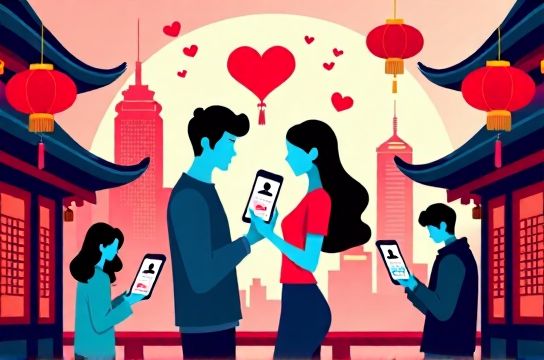
Let’s cut through the noise. From tech giants like Tencent-backed Soul to homegrown favorites like Momo and Tantan (China’s answer to Tinder), millions are logging in daily. According to QuestMobile, as of 2023, Tantan alone had over 12 million monthly active users, with users spending an average of 45 minutes per day swiping.
Why Dating Apps Are Exploding in China
Urban professionals face mounting pressure: long work hours, high living costs, and shrinking social circles. Add Confucian family expectations around marriage, and it’s no wonder young adults turn to apps for connection. A 2023 survey by iiMedia Research found that 68% of singles aged 22–35 have used dating apps, with nearly half saying they’re open to serious relationships—not just casual flings.
Top Dating Apps Compared
Not all apps are created equal. Here’s a quick breakdown:
| App | Key Feature | User Base (MAU) | Primary Goal |
|---|---|---|---|
| Tantan | Swipe-based matching | 12M+ | Dating & relationships |
| Momo | Location-based chat | 8M+ | Social networking |
| Soul | Anonymous personality matching | 9M+ | Friendship & emotional connection |
| Biaozhun | Vetted profiles, income verification | 1.5M+ | Serious relationships/marriage |
Notice a trend? While Tantan dominates romance, Soul appeals to Gen Z seeking deeper bonds without the pressure of looks. Meanwhile, niche apps like Biaozhun cater to elite professionals who want verified, marriage-minded partners—yes, some even require salary proofs!
Do These Apps Actually Work?
Data says yes—if you're patient. A 2022 study published in Chinese Sociological Review found that 31% of Tantan users reported forming long-term relationships, while 18% eventually married someone they met on the app. That might not sound huge, but consider this: among users who actively chatted with 5+ matches weekly, success rates jumped to nearly 50%.
But beware: catfishing and scams exist. Fake profiles, flirt bots, and even 'love coaches' selling advice are red flags. Pro tip: avoid apps that push in-app purchases too aggressively. Real connection shouldn’t cost 99 yuan per message.
Cultural Nuances You Can’t Ignore
In China, dating isn’t just about chemistry—it’s about face (social reputation), family approval, and financial stability. Many users hide their real identities at first, using blurred photos or pseudonyms. Also, public displays of affection are still frowned upon in many cities, so don’t expect your match to hold hands on the Bund right away.
And here’s the kicker: gender dynamics. Men often initiate conversations, and women receive hundreds of messages daily. Some female users report feeling overwhelmed, leading to 'app fatigue.' That’s why newer platforms now offer AI filters to screen low-effort openers like 'Hi, are you single?'
The Bottom Line
Dating apps in China are more than digital playgrounds—they’re reshaping how relationships begin. Whether you’re a local or an expat, success comes down to authenticity, patience, and understanding cultural context. So swipe smart, stay safe, and remember: behind every profile is a person also hoping to find something real.