
Intergenerational Conflicts in Chinese Families
- Date:
- Views:274
- Source:The Silk Road Echo
Navigating family life in China? You're not alone if dinner table debates feel more like courtroom dramas. From marriage timelines to parenting styles, intergenerational conflicts in Chinese families are real, raw, and relatable. But why do these clashes happen, and how can families bridge the gap?
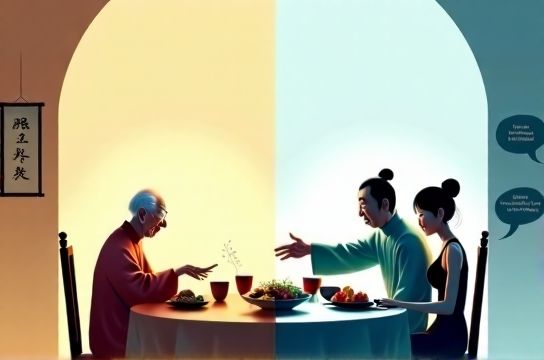
The Roots of the Rift
China's rapid modernization has created a cultural time warp. Parents raised in collectivist, tradition-bound environments now live under the same roof as kids shaped by global trends, digital independence, and individualism. According to a 2023 survey by Peking University, over 68% of urban Chinese youth report frequent disagreements with parents—mainly around career choices, marriage, and lifestyle.
Take Xiao Mei, a 27-year-old graphic designer in Shanghai. Her mom insists she marry before 30. 'It’s not just pressure,' she says, 'it feels like my whole worth is tied to being married.' Classic clash: traditional expectations vs. personal freedom.
Where Do They Clash Most?
Let’s break it down. Here are the top conflict zones backed by data:
| Conflict Area | Parental Expectation (%) | Youth Priority (%) |
|---|---|---|
| Marriage by Age 30 | 76% | 41% |
| Career Stability (e.g., civil service) | 69% | 35% |
| Living at Home Until Marriage | 62% | 28% |
| Grandparent Involvement in Childcare | 81% | 54% |
Data source: National Survey on Family Dynamics, 2023
See the gap? It’s not just stubbornness—it’s generational trauma dressed as love. Parents who lived through scarcity value security; their kids, raised amid abundance, chase fulfillment.
The Silent Impact: Mental Health & Communication
These tensions aren’t just awkward—they’re affecting mental health. A study in the Journal of Family Psychology found that unresolved intergenerational conflict correlates with higher anxiety and depression rates among Chinese millennials.
But here’s the twist: most families never talk about feelings. Why? Because 'saving face' often trumps honesty. Emotional expression is seen as confrontational, not cathartic. So resentment builds. Silence wins.
So… How Do We Fix This?
No, you don’t need family therapy (though it helps). Start small:
- Reframe the narrative: Instead of 'My parents don’t get me,' try 'They’re trying to protect me—with outdated tools.'
- Set boundaries with respect: 'I love that you care about my future. I’m choosing a different path—and I hope you’ll support me.'
- Create new rituals: Replace lecture-heavy dinners with walks or cooking together. Less talking, more connecting.
In Hangzhou, the Chen family started a weekly 'no-phone night.' Just tea, snacks, and stories—no advice, no arguments. Result? 'We actually laugh now,' says 31-year-old Li Chen.
The Bigger Picture
These conflicts aren’t a sign of broken families—they’re proof of evolving ones. As China strides into the future, families are renegotiating love, duty, and freedom. The goal isn’t agreement—it’s understanding.
After all, every generation thinks the one before (or after) is 'too strict' or 'too soft.' But beneath the surface? A shared desire: to be seen, respected, and loved on our own terms.
So next time Mom asks when you’re getting married, take a breath. Maybe reply, 'I’m working on being happy first.' And who knows? She might just nod—and finally listen.'