
Rural vs Urban Mindsets in Contemporary China
- Date:
- Views:248
- Source:The Silk Road Echo
China’s breakneck urbanization has created a fascinating cultural divide: the rural mindset versus the urban mindset. It’s not just about where people live—it’s how they think, what they value, and how they navigate life in today’s fast-moving society.
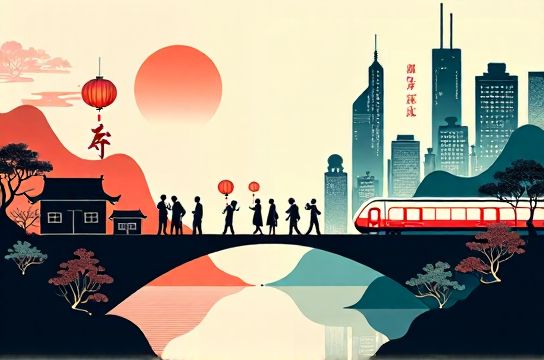
Over the past four decades, China’s cities have exploded in size and sophistication. In 1980, only about 20% of Chinese lived in urban areas. Today? That number has skyrocketed to over 65% (World Bank, 2023). But while skyscrapers rise and subways expand, millions still reside in villages, holding onto traditions that shape a distinctly different worldview.
The Urban Outlook: Fast, Ambitious, and Digitally Wired
City dwellers in Beijing, Shanghai, or Shenzhen often live by the clock. Time is money. Careers matter. Personal branding? Huge. Urban Chinese are more likely to prioritize individual achievement, upward mobility, and global trends. They’re also early adopters—over 95% of urbanites use smartphones daily, and e-commerce platforms like Taobao and Meituan are lifelines.
But it comes at a cost. The pressure to succeed is intense. A 2022 survey by Peking University found that 42% of urban professionals reported high stress levels, often linked to housing costs and job competition.
The Rural Perspective: Community, Stability, and Tradition
In contrast, rural China runs on rhythm, not rush. Life revolves around family, seasonal cycles, and collective well-being. While only about 60% of rural residents use the internet regularly (China Internet Network Information Center, 2023), their values run deep: respect for elders, loyalty to kin, and a strong sense of place.
Many young people leave villages for cities, but a growing trend—‘reverse migration’—sees some returning with new skills to start agri-businesses or digital ventures. This blend of tradition and innovation is quietly reshaping rural identity.
Key Differences at a Glance
| Aspect | Urban Mindset | Rural Mindset |
|---|---|---|
| Primary Values | Individualism, efficiency, innovation | Collectivism, stability, tradition |
| Internet Usage | 95%+ regular users | ~60% regular users |
| Lifestyle Pace | Fast-paced, time-sensitive | Slower, season-based rhythm |
| Career Focus | Corporate jobs, entrepreneurship | Agriculture, local trades |
| Social Trust | Transactional, network-driven | Family and community-based |
This isn’t about which mindset is better—it’s about understanding how both coexist and complement each other in modern China. The urban drive fuels economic growth, while rural roots preserve cultural continuity.
And here’s the twist: as high-speed rail connects villages to metropolises, and livestreaming lets farmers sell produce nationwide, the gap is narrowing. Hybrid identities are emerging—people who think globally but care locally.
In the end, China’s future may not lie in choosing between rural and urban, but in weaving both mindsets into a more balanced, resilient society.