
The Gig Life Paradox: Flexibility and Insecurity in China’s New Workforce
- Date:
- Views:250
- Source:The Silk Road Echo
Let’s be real—gig work in China sounds like a dream at first. Want to skip the 9-to-5 grind? Grab your phone, sign up on Meituan or Didi, and boom—you’re your own boss. No office politics, no commute (well, kind of), and you pick your hours. Sounds perfect, right? But here’s the twist: that freedom often comes with a side of serious stress.
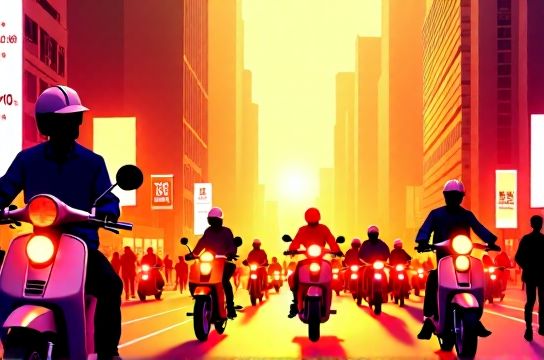
Over the past decade, China’s gig economy has exploded. From food delivery riders dodging traffic with steaming hot dumplings to freelance designers selling services on Zhubajie, millions are trading traditional jobs for flexible hustle. And yeah, it’s not just about side gigs anymore—many now rely on this as their main income. The appeal? Total control. Need a day off? Cool, just log out. Want to earn extra cash during rush hour? Go for it.
But let’s pull back the curtain. That ‘flexibility’ is a double-edged sword. Without a steady paycheck, health insurance, or retirement plans, gig workers live paycheck to paycheck—sometimes order to order. One broken bike, one bad review, or one algorithm change can tank your earnings overnight. Remember when Meituan tweaked its delivery time system? Riders suddenly had to move faster, risking safety just to keep up. And who’s holding the platform accountable? Exactly.
Then there’s the loneliness factor. No coworkers, no watercooler chats, no team lunches. It’s just you, your smartphone, and the endless scroll of gigs. Sure, you’ve got freedom, but at what cost?
Still, people keep joining. Why? Because the old job market isn’t exactly handing out golden tickets. High youth unemployment, intense competition, and sky-high living costs in cities like Beijing and Shanghai make gig work not just attractive—but necessary for survival.
So what’s the solution? Some experts say stronger labor protections. Others push for portable benefits that follow workers across platforms. A few cities have started experimenting with gig worker unions or injury insurance programs. Small steps, but progress.
At the end of the day, the gig life in China is a paradox: full of promise, packed with pressure. It gives people a way to survive—and sometimes thrive—in a fast-changing economy. But without better support, that dream of freedom might just turn into burnout on two wheels.
The future of work isn’t black and white. It’s a messy mix of independence and instability. And if China wants to lead the gig revolution, it’s time to build a safety net that doesn’t just serve platforms—but the people powering them.