
Digital Nationalism: How Social Media Is Reshaping Patriotism Among Chinese Youth
- Date:
- Views:289
- Source:The Silk Road Echo
You’ve probably noticed it — more young people in China aren’t just proud of their country, they’re loud about it. And they’re doing it online. From viral TikTok videos celebrating traditional culture to fiery Weibo threads defending national policies, digital nationalism is booming among Chinese youth. But how did patriotism go from quiet respect to trending hashtags? Let’s break it down.
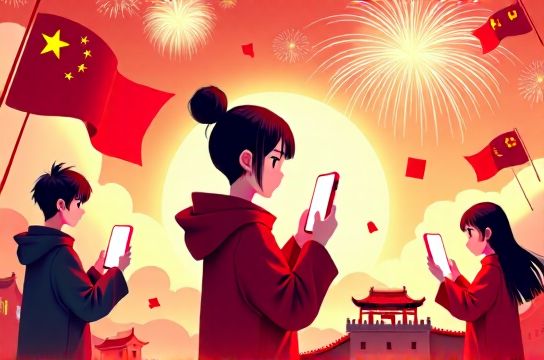
It’s not your grandpa’s version of patriotism anymore. Today’s Chinese youth are growing up in a hyper-connected world where social media shapes identity, values, and even political views. Platforms like Bilibili, WeChat, and Douyin (China’s version of TikTok) have become digital battlegrounds for national pride. Think less flag-waving in town squares, more meme wars and animated tributes to historical heroes.
One big reason? Confidence. Younger generations didn’t live through the hardships of the past. Instead, they’ve come of age during China’s economic rise, tech boom, and global influence surge. They see their country as strong, innovative, and unfairly criticized abroad. So when Western media misrepresents China, they don’t stay silent — they fight back online, often with humor, creativity, and a ton of attitude.
Take the whole ‘wolf warrior’ diplomacy trend. It started with assertive diplomats, but quickly spread to everyday netizens. Now, you’ll find teens crafting slick videos comparing China’s infrastructure to other countries’, or roasting foreign stereotypes with sarcasm so sharp it could cut steel. These posts don’t just go viral — they build community. Being proudly Chinese isn’t just accepted; it’s cool.
And let’s talk about content. It’s not all serious political rants. A lot of this digital patriotism comes wrapped in pop culture. Anime-style videos honoring soldiers, dance challenges set to patriotic songs, or livestreamers donating to rural schools while shouting “For China!” — it’s emotional, relatable, and shareable. That’s key. When nationalism feels authentic and creative, it spreads fast.
But here’s the twist: this isn’t always top-down propaganda. Sure, the government supports positive narratives, but much of this movement is organic. Young people aren’t just following orders — they’re expressing real pride in their identity, language, and achievements. They’re blending tradition with modernity, creating something uniquely theirs.
Of course, there’s debate. Some worry this online fervor can turn into echo chambers or hostility toward criticism. But overall, digital nationalism reflects a generation that’s confident, connected, and ready to defend what they love — in their own voice.
So yeah, patriotism in China isn’t what it used to be. It’s faster, louder, and way more digital. And if you’re trying to understand today’s Chinese youth, you’d better check their feeds.