
The Quiet Rebellion in Chinese Youth Culture Now
- Date:
- Views:239
- Source:The Silk Road Echo
In the neon glow of cities like Shanghai and Shenzhen, a subtle but powerful shift is reshaping Chinese youth culture. Forget loud protests or viral hashtags—today’s rebellion is quiet, stylish, and deeply personal. It's not about rejecting China; it's about redefining what it means to be young, ambitious, and authentic in a rapidly evolving society.
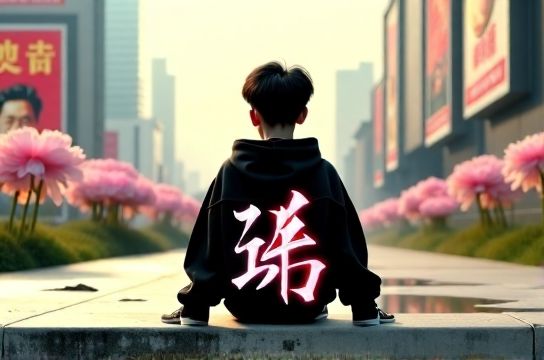
Chinese Gen Z (born 1997–2012) makes up over 260 million people—roughly 18% of the population. And while they’re often labeled as 'pressure-cooker survivors' of gaokao and 996 work cultures, they’re also leading a cultural reset. From embracing "sang culture" (a dark-humored embrace of failure) to championing guochao (national trend)—where traditional Chinese aesthetics meet streetwear—they're rewriting the rules.
The Rise of 'Lying Flat' and Digital Detox
You’ve heard of tang ping—"lying flat." But it’s less about laziness and more about resistance. A 2023 survey by PwC China found that 61% of young professionals prioritize work-life balance over career advancement. This isn’t apathy; it’s a recalibration. They’re saying no to endless hustle and yes to mental health, side hustles, and self-expression.
Platforms like Xiaohongshu (China’s answer to Instagram + Pinterest) have become digital sanctuaries. Over 75% of its 300 million users are under 30, curating lives filled with indie coffee shops, Hanfu photoshoots, and minimalist apartments—not luxury cars or designer bags.
Guochao: When Tradition Becomes Trendy
Forget Western brands dominating youth fashion. Local labels like Li-Ning, Peacebird, and Evenflow are surging by blending Mao suits with sneaker culture and embroidery with cyberpunk vibes. In 2023, the guochao market hit $110 billion, growing at 12% annually.
This isn’t just fashion—it’s identity. Young Chinese are reclaiming heritage in ways that feel fresh, ironic, and proud. You’ll see teens wearing Tang-style jackets with AirPods, or sipping bubble tea beneath temple-inspired murals in pop-up art spaces.
| Trend | Definition | Youth Adoption Rate (2023) |
|---|---|---|
| Sang Culture | Dark humor around failure and burnout | 68% |
| Guochao | Homegrown brands with cultural pride | 74% |
| Tang Ping (Lying Flat) | Rejecting hyper-competition | 59% |
| Feeling Like a Vegetable (Fo Yang Yang) | Embracing low-effort relaxation | 52% |
The Hidden Power of Niche Communities
From underground rap battles in Chengdu to queer film clubs in Guangzhou, small communities are where the real cultural innovation happens. Bilibili, the video platform beloved by Gen Z, hosts millions of niche interest groups—from retro anime fans to DIY synth musicians.
These aren’t just hobbies. They’re safe zones for identity exploration in a society where conformity still looms large. As one 23-year-old from Hangzhou put it: "Online, I can be a poet, a drag queen, or a robot. Offline, I’m just an accountant. But both are me."
Conclusion: Quiet Doesn’t Mean Silent
This new wave of Chinese youth culture isn’t shouting—it’s whispering, styling, creating. They’re not breaking the system; they’re building their own within it. Whether through fashion, humor, or digital tribes, they’re claiming space on their own terms.
So next time you scroll past a photo of a youth in Hanfu sipping matcha in a Beijing hutong, remember: it might look peaceful, but it’s also revolutionary.