
The Emotional Cost of Success in Chinese Society
- Date:
- Views:225
- Source:The Silk Road Echo
In modern China, the pursuit of success isn’t just a personal goal—it’s a societal expectation. From the moment students enter school, they’re funneled into a high-pressure system where grades define worth. But behind every six-figure salary and luxury apartment lies an emotional toll few dare to talk about. Let’s pull back the curtain on what it really costs to 'make it' in today’s China.
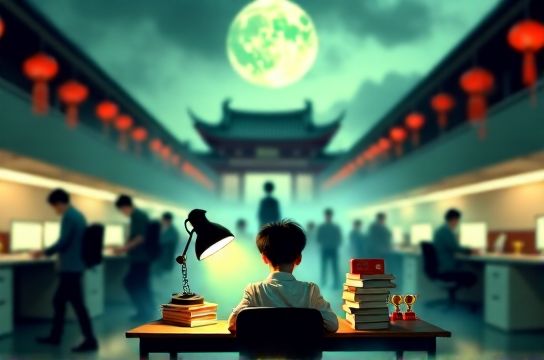
The Pressure Cooker: Education & Career
It starts early. The gaokao, China’s national college entrance exam, is more than a test—it’s a life determinant. In 2023, over 12 million students sat for the exam, competing for limited spots at top-tier universities. The pressure? Immense. A survey by Peking University found that nearly 40% of first-year students reported symptoms of depression or anxiety linked to academic stress.
Fast forward to the workplace, and the grind doesn’t stop. The infamous '996' work culture—9 a.m. to 9 p.m., 6 days a week—is still alive in tech hubs like Shenzhen and Beijing. According to a 2022 report by Zhaopin, over 60% of white-collar workers feel emotionally drained by midweek, with only 18% reporting work-life balance satisfaction.
| Metric | Data | Source |
|---|---|---|
| Annual Gaokao Test Takers (2023) | 12.91 million | Ministry of Education |
| Workers Reporting Burnout | 62% | Zhaopin Report, 2022 |
| Youth Depression Rate (18–25) | 24.6% | Lancet Psychiatry, 2021 |
| Average Workweek (Tech Sector) | 54 hours | China Labour Bulletin |
Social Expectations & Family Ties
Success in China isn’t measured in personal fulfillment—it’s quantified. How much do you earn? When are you getting married? Do you own property? These questions aren’t casual small talk; they’re performance reviews delivered during Lunar New Year dinners.
The concept of mianzi (face) plays a huge role. Maintaining appearances often means hiding struggles. A 2023 study published in Social Science & Medicine revealed that 70% of urban professionals avoid discussing mental health issues with family, fearing judgment or bringing shame.
The Hidden Crisis: Mental Health
Despite growing awareness, mental healthcare remains underdeveloped. There are only about 2.9 psychiatrists per 100,000 people in China—far below the WHO recommendation of 5 per 100,000. Stigma runs deep, and therapy is still seen by many as a sign of weakness.
Yet change is brewing. Younger generations are pushing back. Platforms like Douban and Xiaohongshu are filled with anonymous posts sharing burnout stories and self-care tips. Mindfulness apps like Lemon Helper have seen a 300% user increase since 2020.
Finding Balance in a Hustle Culture
So how do you thrive without breaking? Some are choosing 'lying flat' (tang ping), rejecting relentless ambition. Others embrace 'low-consumption living,' focusing on minimalism and mental peace. Companies like Alibaba and Tencent have started wellness programs, though real cultural shift takes time.
The truth is, success shouldn’t cost your soul. As one Shanghai-based finance worker put it: 'I climbed the ladder only to realize it was leaning against the wrong wall.'
Maybe it’s time China redefines what winning really means—not by bank balance, but by inner peace.