
What Neijuan Really Means for Chinese Families Today
- Date:
- Views:232
- Source:The Silk Road Echo
If you've spent any time in China lately—or even just scrolling through Weibo—you've probably heard the word neijuan. It’s not a new dance trend or a trendy café drink. No, neijuan (内卷), literally meaning 'involution,' has become the unofficial anthem of modern Chinese life, especially for families raising kids in a pressure cooker of expectations.
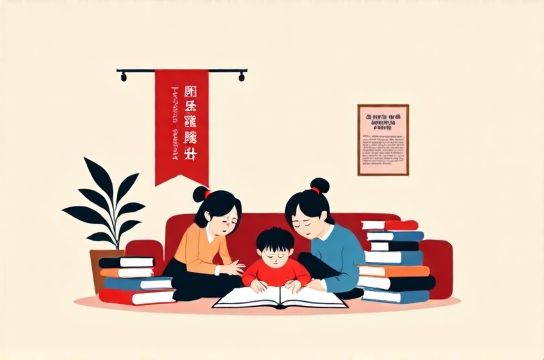
But what does neijuan really mean today? And how is it reshaping family dynamics, education, and mental health across the country?
The Neijuan Reality: More Effort, Zero Gain
Neijuan describes a situation where people work harder and harder but get no real reward. Imagine 10 students studying 14 hours a day just to outdo each other—no one actually wins, but everyone burns out. That’s neijuan.
A 2023 survey by Peking University found that over 68% of urban parents feel their children are under “extreme academic pressure,” with after-school tutoring consuming an average of 15 hours per week per child. Yet, college admission rates haven’t significantly improved. The system isn't rewarding talent—it's punishing anyone who dares to slow down.
How Families Are Coping (or Not)
Let’s break it down. Here’s a snapshot of how neijuan impacts typical urban families:
| Family Type | Monthly Spending on Education (CNY) | Hours/Week Tutoring | Parent Stress Level (1-10) |
|---|---|---|---|
| Urban Middle-Class | 6,500 | 15 | 8.7 |
| Suburban Working-Class | 2,200 | 8 | 7.3 |
| Rural Migrant Families | 800 | 3 | 6.9 |
As the table shows, middle-class families are spending big—but peace of mind isn’t part of the package. Many parents admit they’re caught in a loop: more tutors, better grades (maybe), but zero guarantee of success.
The Hidden Cost: Mental Health & Family Bonds
The cost isn’t just financial. A 2022 study in the Journal of Child Psychology and Psychiatry found that Chinese teens report anxiety levels 40% higher than the global average. Why? Because from age 6, many kids are on a hamster wheel: school, tutoring, piano lessons, English drills—and sleep? That’s negotiable.
Families are struggling to connect. Dinner time? Often rushed. Weekend trips? Replaced with mock exams. One mother in Shanghai told us, “I love my daughter, but sometimes I feel like her manager, not her mom.”
Is There a Way Out?
Change is slow, but signs are emerging. The government’s “Double Reduction” policy (2021) aimed to cut homework and ban for-profit tutoring. While enforcement varies, some families are finally breathing easier. In Hangzhou, public schools now offer free after-school programs focused on arts and sports—not just math drills.
More parents are also embracing “slow parenting”—prioritizing emotional well-being over test scores. Social media groups like “Anti-Neijuan Moms” have popped up, sharing tips on reducing pressure and rebuilding family joy.
The Bottom Line
Neijuan isn’t just a buzzword—it’s a societal warning sign. For Chinese families today, breaking free means redefining success: less about rankings, more about resilience. It’s not about lowering standards, but about valuing balance, creativity, and yes, even downtime.
After all, a child who can think freely might just be the most competitive advantage of all.