
Housing Pressures Defining Social Phenomena China Now
- Date:
- Views:227
- Source:The Silk Road Echo
In today’s China, housing isn’t just about shelter—it’s shaping lives, relationships, and even dreams. From sky-high prices in Shanghai to 'ant tribes' squeezing into basement apartments, the housing crisis has become a defining social force. Let’s dive into how real estate pressures are reshaping Chinese society—with data, stories, and a touch of reality.
The Numbers Don’t Lie: A Market Under Pressure
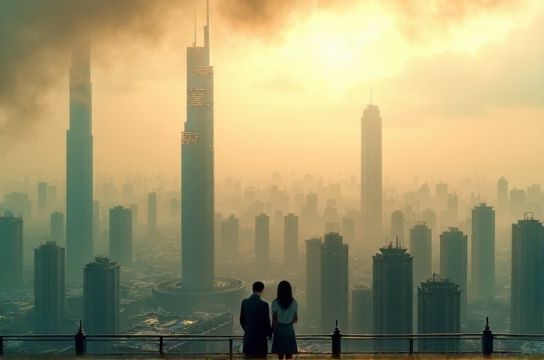
China's urban housing prices have skyrocketed over the past two decades. In Beijing, the average price per square meter hit ¥85,000 (~$12,000) in prime districts in 2023. Even second-tier cities like Hangzhou and Chengdu now see averages above ¥30,000/m²—far beyond what most young professionals earn.
Check out this snapshot of major city housing costs:
| City | Avg. Price (¥/m²) | Median Salary (¥/month) | Years to Buy 60m² Apartment* |
|---|---|---|---|
| Beijing | 82,000 | 14,500 | 28.3 |
| Shanghai | 79,500 | 14,200 | 27.9 |
| Shenzhen | 88,000 | 15,000 | 30.1 |
| Chengdu | 22,000 | 9,800 | 13.4 |
*Assuming no expenses, full savings rate. Reality? Much harsher.
Housing = Social Currency
Here’s the twist: in China, owning property isn’t just financial security—it’s social capital. A 2022 survey found that over 70% of parents consider a son’s home ownership crucial before approving marriage. That pressure turns apartments into prerequisites for love. No flat? Good luck with dating.
This has birthed bizarre trends—like 'marriage markets' in parks where parents trade their kids’ resumes… complete with property deeds. It’s not romantic; it’s real estate speed-dating.
The Rise of the 'Ant Tribe'
Meet the 'ant tribe'—young grads living 10 to a room in windowless basements, surviving on instant noodles. They flock to cities chasing opportunity but end up in 'tight squeeze' rentals. In Beijing’s Tangjialing district, one 40m² apartment houses six people—each paying ¥1,200/month for a bunk bed and shared toilet.
Why stay? Because leaving means admitting defeat. These ants keep crawling, hoping one day to own even a shoebox studio.
Ghost Cities & Empty Apartments
Meanwhile, developers build faster than people can move in. Places like Ordos Kangbashi were designed for 1 million—but only 10% occupied. Yet, homes sit empty as investors hoard properties. One report estimates 22% of urban homes are vacant, while millions struggle to rent or buy.Government Pushback & Hope Ahead?
Beijing knows the stakes. Recent policies include rent controls, purchase limits, and a push for 6 million affordable housing units by 2025. But change is slow. Young people are adapting—choosing co-living spaces, delaying marriage, or fleeing to quieter cities like Xiamen or Guiyang.
Still, hope flickers. Cities like Changsha are pioneering success with strict price caps and subsidized units. Could they be the blueprint?
Final Thoughts
Housing in China isn’t just bricks and mortar. It’s anxiety, ambition, and identity. As long as homes remain symbols of status and stability, the pressure won’t ease. But with smart policy and shifting mindsets, maybe future generations won’t need a mortgage to feel they belong.