
How Social Phenomena China Reflect Generational Shifts
- Date:
- Views:227
- Source:The Silk Road Echo
In recent years, China has become a living lab of social transformation. From dǎnghuǒ (dating markets) to neijuan (involution), the country’s youth are redefining what it means to succeed — and survive. These aren’t just buzzwords; they’re cultural signals pointing to deep generational shifts. Let’s dive into how modern Chinese society is evolving through the lens of its young people.
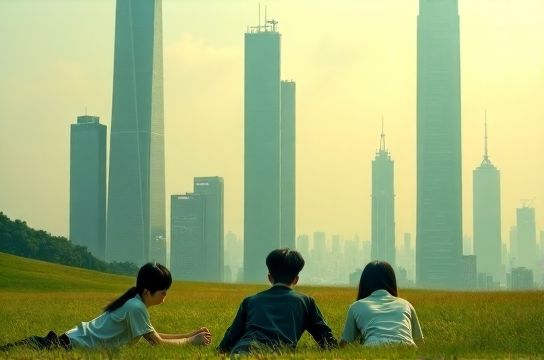
The Rise of ‘Lying Flat’ and Quiet Rebellion
You’ve probably heard of tǎngpíng, or “lying flat.” It’s not laziness — it’s resistance. After decades of relentless hustle culture, Gen Z and millennials are opting out of traditional milestones: marriage, homeownership, 9-to-9 workweeks. A 2023 survey by Peking University found that 46% of urban youth aged 18–35 identify with low-desire lifestyles, prioritizing mental health over material success.
Dating Markets and Parental Pressure
Every weekend in Shanghai’s People’s Park, parents swap resumes of their unmarried children. Yes, *resumes*. This isn’t satire — it’s reality. The average age for first marriage in China rose to 28.7 for women and 30.2 for men in 2023 (up from 24.5 and 26.5 in 2010). As independence grows, so does tension between filial duty and personal freedom.
| Year | Average First Marriage Age (Women) | Average First Marriage Age (Men) |
|---|---|---|
| 2010 | 24.5 | 26.5 |
| 2020 | 27.1 | 29.3 |
| 2023 | 28.7 | 30.2 |
The Hustle Hangover: Neijuan vs. Tangping
If neijuan is burnout from overworking, tangping is the nap afterward. Young professionals are rejecting soul-crushing jobs. Alibaba reported a 22% drop in applications for entry-level roles in 2022 as graduates seek work-life balance. Meanwhile, freelance platforms like Xiaohongshu see 3x growth in ‘digital nomad’ content year-over-year.
Gender Roles in Flux
China’s feminist wave is subtle but seismic. More women than ever are pursuing advanced degrees — in 2023, 54% of postgraduates were female. Yet societal expectations lag. Only 31% of corporate leadership roles are held by women (World Bank, 2023). This gap fuels online movements like #MeTooChina and debates around ‘leftover women’ — a term increasingly rejected by empowered singles.
Technology as Both Escape and Amplifier
Social media isn’t just entertainment — it’s identity. Platforms like Bilibili and Douyin let youth build communities around niche interests: hanfu fashion, indie music, even Marxist study groups. But algorithms also trap them in echo chambers. Tencent’s 2023 digital wellness report shows Gen Z spends 3.7 hours daily on short videos — double that of their parents.
What’s Next?
These trends aren’t isolated. They reflect a generation reshaping values in response to economic pressure, technological change, and global awareness. While policymakers worry about declining birth rates and productivity, young Chinese are asking deeper questions: What kind of life is worth living?
The answer? One with choice. Whether they lie flat, hustle smart, or forge new paths, China’s youth are no longer playing by old rules. And that shift — quiet, persistent, powerful — might be the most defining social phenomenon of all.