
Consumerism and Identity in Chinese Youth Culture
- Date:
- Views:274
- Source:The Silk Road Echo
In today’s fast-evolving China, consumerism isn’t just about buying stuff—it’s a language. And for the country’s youth, every sneaker drop, skincare haul, or limited-edition phone isn’t just a purchase; it’s a statement. Welcome to the new era of identity-driven consumption, where what you buy tells the world who you are.
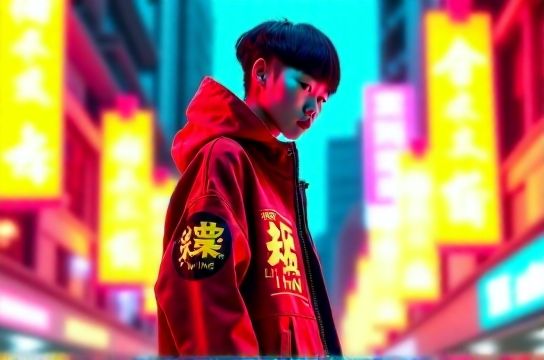
Gone are the days when brand loyalty was about quality alone. For Gen Z and young millennials in China, shopping is self-expression. According to a 2023 report by McKinsey, over 68% of Chinese consumers under 30 say their purchases reflect their personal values—from sustainability to individuality.
The Rise of 'Xiaofei Ren' (The Consumer Person)
In Mandarin, there’s a playful term making rounds: xiaofei ren—the ‘consumer person.’ It’s not just someone who spends money; it’s someone whose identity is shaped through consumption. Whether it’s copping a rare Nike x CLOT collab or supporting homegrown brands like Li-Ning or Perfect Diary, young Chinese aren’t just consuming—they’re curating identities.
Social media fuels this trend. Platforms like Xiaohongshu (Little Red Book) and Douyin (China’s TikTok) have turned shopping into a social performance. A recent survey showed that 74% of urban Chinese youth discover new brands through influencer content.
Cultural Pride Meets Consumer Choice
One major shift? The surge in guochao—‘national wave’—a movement where youth proudly support domestic brands with Chinese cultural elements. Take Li-Ning’s 2018 New York Fashion Week debut: blending martial arts aesthetics with streetwear, it sparked a nationwide pride moment.
Check out this snapshot of how guochao brands are winning hearts:
| Brand | Category | Youth Recognition (2023) | YoY Growth |
|---|---|---|---|
| Li-Ning | Apparel | 82% | 31% |
| Perfect Diary | Cosmetics | 79% | 25% |
| Heytea | Beverages | 88% | 40% |
| Xiaomi | Tech | 76% | 18% |
These numbers aren’t just impressive—they reflect a deeper cultural renaissance. Young Chinese aren’t rejecting global brands; they’re choosing balance. As one Beijing college student put it: “I love Apple, but I also want to wear something that feels like *me*—something rooted in my culture.”
From Ownership to Experience
But it’s not all logos and labels. Today’s youth crave experiences. A concert by pop idol Cai Xukun? Sold out in minutes. Limited-edition bubble tea from Heytea x Disney? Lines around the block. In fact, 61% of Chinese Gen Z would rather spend on an unforgettable experience than a luxury handbag (source: Deloitte, 2023).
This shift has brands rethinking strategy. Membership clubs, pop-up events, AR try-ons—these aren’t gimmicks; they’re emotional gateways. When Anta launched a virtual sneaker collection on its app, engagement spiked by 150%. Why? Because it wasn’t just selling shoes—it was selling belonging.
The Paradox of Choice
Yet, with endless options comes pressure. Social comparison runs high. The fear of missing out (FOMO) is real. Some young consumers report anxiety over not keeping up with trends—what scholars now call ‘consumption fatigue.’
Still, many are pushing back. Enter the rise of ‘conscious consumerism’—buying less but better. Thrifting, upcycling, and eco-brands like Bosie (gender-neutral fashion) are gaining traction among urban youth.
Final Thoughts: Who Are You Buying For?
At its core, consumerism in Chinese youth culture isn’t shallow—it’s symbolic. Every purchase dances between identity, aspiration, and heritage. Brands that understand this aren’t just selling products; they’re joining a conversation.
So next time you see a teen queuing for hours outside a local pop-up, remember: they’re not just buying a hoodie. They’re saying, This is me.”