
Exploring Identity in China's New Generation
- Date:
- Views:281
- Source:The Silk Road Echo
China’s new generation is redefining what it means to be Chinese in the 21st century. No longer shaped solely by tradition, today’s youth are a dynamic blend of global influences and local pride. From Gen Zers posting on Douyin to young professionals embracing digital nomad lifestyles, identity in modern China is evolving—fast.
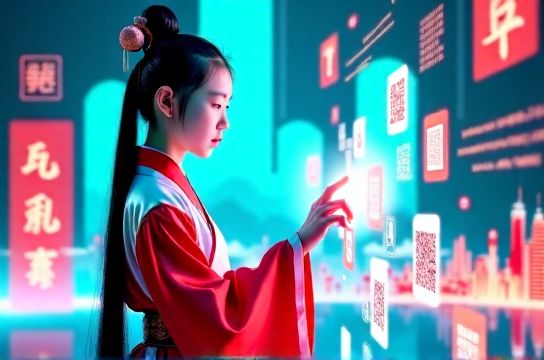
But who exactly are these young people? And how do they see themselves in a country balancing rapid modernization with deep-rooted culture?
The Digital DNA of Chinese Youth
Gone are the days when identity was defined by hometown or hukou alone. Now, it’s just as likely to be shaped by Weibo trends, Bilibili communities, or even virtual idols. A 2023 survey by iiMedia Research found that 78% of Chinese youth aged 15–30 identify strongly with online subcultures, from Hanfu enthusiasts to cyberpunk gamers.
This digital self-expression isn’t just playful—it’s powerful. Platforms like Xiaohongshu (Little Red Book) have become identity labs, where personal branding meets cultural commentary. In fact, over 60% of urban Gen Z users say their values are more influenced by social media than family or school (CNNIC, 2024).
Tradition Meets Trend: The Identity Balancing Act
Don’t mistake this shift for cultural rejection. Many young Chinese proudly embrace heritage—but on their own terms. Take the Hanfu movement: once niche, it now boasts over 4 million active wearers, mostly under 25. They’re not trying to time-travel; they’re remixing history into fashion statements.
Similarly, Confucian ideals like filial piety still matter—but they’re being reinterpreted. A recent Pew Research study showed that while 67% of young Chinese value family harmony, only 34% believe children must obey parents unconditionally. That’s a quiet revolution in mindset.
Urban vs. Rural: Diverging Identities
It’s not a monolith. Identity varies sharply between cities and countryside. While Shanghai teens debate gender roles on Zhihu, rural youth may prioritize economic mobility over ideological debates.
| Metric | Urban Youth (15–30) | Rural Youth (15–30) |
|---|---|---|
| Internet Penetration | 98% | 76% |
| College Enrollment Rate | 72% | 38% |
| Monthly Disposable Income (avg.) | ¥6,200 | ¥2,900 |
| Self-identify as 'global citizen' | 54% | 22% |
These gaps shape worldviews. Urban youth often see identity as fluid and performative; rural peers tend to anchor it in community and practicality.
The National Pride Paradox
Here’s the twist: despite Western-style individualism rising, so is nationalism. Over 81% of Chinese youth express strong national pride (CGSS, 2023), especially after events like the Beijing Olympics or tech breakthroughs.
But this isn’t blind patriotism. It’s a confident, sometimes critical, love for China. They’ll roast government inefficiencies on WeChat groups while fiercely defending China’s sovereignty online. This duality defines their identity: rooted, yet restless.
What It Means for the Future
China’s new generation isn’t choosing between East and West, old and new—they’re synthesizing both. Their identity is a hybrid: digitally fluent, culturally curious, and quietly defiant of binaries.
For brands, policymakers, or anyone engaging with China, understanding this complexity isn’t optional—it’s essential. The future of Chinese society isn’t just being built in factories or labs. It’s being coded, posted, and performed—one selfie, one meme, one Hanfu photo at a time.