
How Chinese Society Views Success Differently
- Date:
- Views:324
- Source:The Silk Road Echo
When you think of success, what comes to mind? A corner office? A fat bank account? In China, the answer might surprise you. While money and status matter, the idea of success runs much deeper—rooted in family, education, harmony, and long-term stability. Let’s break down how Chinese society defines success differently from the West, using real data, cultural insights, and a dash of storytelling.
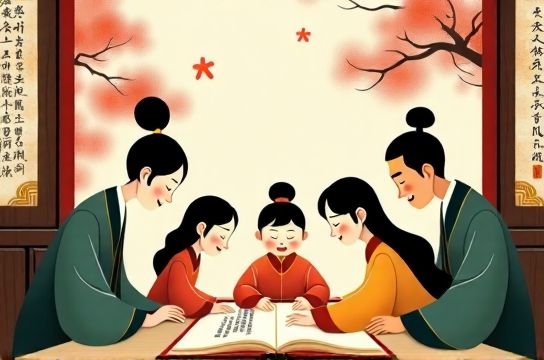
The Confucian Blueprint: Family First, Always
In China, success isn’t just personal—it’s collective. Thanks to Confucian values, your achievements reflect not just on you, but on your entire family. Want to make your parents proud? Ace that exam. Land that job. Get married by 30. Failing? That’s not just disappointing—it’s a social burden.
A 2023 survey by Peking University found that over 76% of young adults feel pressure to succeed for their parents’ sake. Compare that to 42% in the U.S., and you see a cultural gap as wide as the Pacific.
Education: The Ultimate Status Elevator
If there’s one golden ticket in China, it’s education. The Gaokao—the national college entrance exam—is like the Super Bowl of academics. Over 12 million students take it yearly, competing for spots at elite schools like Tsinghua and Peking University.
Why so intense? Because in China, your school determines your network, job prospects, and even marriage market value. It’s not just about learning—it’s about lifelong positioning.
| Country | Higher Education Enrollment Rate (2023) | Top Priority After Graduation |
|---|---|---|
| China | 60% | Stable Government or Corporate Job |
| United States | 88% | Passion-Driven Career or Startup |
| Germany | 70% | Vocational Training & Apprenticeships |
Notice the trend? In China, stability trumps passion. A secure job with benefits beats chasing dreams—at least until financial freedom is achieved.
Wealth With Face: The Rise of the 'Xiaozi' Class
You’ve heard of the middle class. In China, they’re called xiaozi—literally, “petty bourgeoisie.” But this isn’t just about income. It’s about mianzi, or ‘face.’ Driving a Tesla, living in a high-rise, posting vacation pics in Hokkaido—these aren’t flexes, they’re social obligations.
According to a 2024 report by McKinsey, 54% of urban Chinese consumers say they buy premium brands to ‘maintain image,’ compared to 31% in Europe. That’s not vanity—that’s survival in a reputation-driven society.
Marriage: The Final Boss of Adulting
In China, being single after 30? That’s not independence—that’s failure. Especially for women, who face the cringe-worthy label of shengnu (“leftover women”). Crazy, right?
The government even encourages early marriage through state media, linking it to social stability. No joke—there’s a Marriage Market in Shanghai where parents literally post profiles of their unmarried kids.
So… What’s the Real Score?
Let’s be real: Chinese success is a balancing act. You need:
- A top-tier degree
- A stable, respected job
- A happy marriage (by 35, please)
- Homeownership
- Parents taken care of
Miss one, and you’re seen as ‘falling behind.’ It’s intense, but it’s also deeply human—a quest for belonging in a fast-changing world.
Still, things are shifting. Younger generations are pushing back, embracing ‘lying flat’ (tangping) and ‘low-desire lifestyles.’ They’re redefining success on their own terms: less hustle, more peace.
Final Thoughts
Success in China isn’t just about wealth or fame. It’s a complex web of duty, reputation, and quiet resilience. Understanding this helps not only expats and businesses but anyone curious about what drives one of the world’s most dynamic societies.
So next time you hear about a Chinese student studying till 2 a.m., remember—it’s not just about grades. It’s about honor, family, and a future worth sacrificing for.