
Social Media and Identity in Chinese Youth Culture Today
- Date:
- Views:279
- Source:The Silk Road Echo
In today’s hyper-connected China, social media isn’t just about posting selfies or sharing memes—it’s a powerful stage where young people craft, challenge, and express their identities. With over 900 million internet users in China and nearly 70% under the age of 35, digital platforms like WeChat, Xiaohongshu, Douyin (TikTok’s Chinese sibling), and Bilibili have become cultural battlegrounds for self-expression, belonging, and even rebellion.
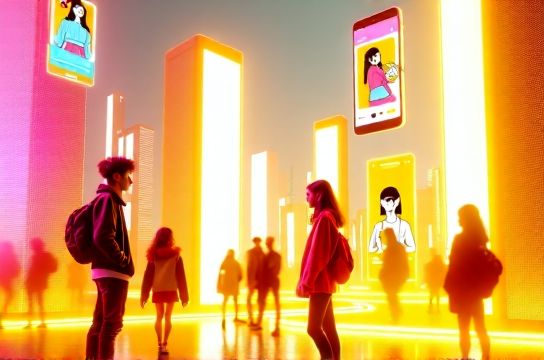
Chinese youth are navigating a complex world—balancing traditional expectations with modern desires. Social media gives them a voice, a community, and sometimes, an escape. But it’s not all filters and fun. Behind the curated feeds lies a deeper story of identity negotiation in a rapidly changing society.
The Platforms Shaping Identity
Different platforms serve different purposes, each shaping identity in unique ways:
| Platform | User Base Focus | Primary Use | Identity Expression Style |
|---|---|---|---|
| Douyin | Teens to mid-20s | Short-form video | Creative, performative, trend-driven |
| Xiaohongshu (Little Red Book) | Urban females 18–35 | Lifestyle & shopping | Aesthetic, aspirational, consumer-based |
| Bilibili | Gen Z & millennials | Anime, gaming, subcultures | Niche, community-driven, expressive |
| WeChat Moments | All ages | Social networking | Carefully curated, family-friendly |
These aren’t just apps—they’re identity playgrounds. On Bilibili, you’ll find LGBTQ+ creators subtly challenging norms through animated skits. On Xiaohongshu, young women redefine beauty standards by promoting ‘natural looks’ and mental wellness. And on Douyin, rural youth gain fame by showcasing local dialects and traditions, reclaiming cultural pride.
The Pressure to Perform
But let’s be real: social media can be exhausting. The pressure to look perfect, sound cool, and stay relevant is intense. A 2023 survey by Peking University found that 62% of urban youth feel anxious about their online image, while 45% admitted to faking parts of their lifestyle for likes.
This performance culture ties into broader societal pressures—academic success, career stability, filial duty. So when a college student in Chengdu posts a glamorous travel photo on Xiaohongshu, it’s not just bragging; it’s a statement: I’m more than my exam scores. I have dreams, style, freedom.
Subversion and Solidarity
Despite censorship and surveillance, Chinese youth use coded language, memes, and niche communities to push boundaries. Terms like “tang ping” (lying flat) and “neijuan” (involution) went viral as quiet protests against burnout culture. On Bilibili, anime edits carry political metaphors. On Douban groups, young feminists organize under pseudonyms.
These digital acts may seem small, but they build solidarity. As one Shanghai university student told me: “Online, I don’t feel alone. Even if I can’t say everything, I can find people who get it.”
Conclusion: Who Are You Online?
Social media in China is more than entertainment—it’s where identity is tested, transformed, and sometimes, truly found. For Chinese youth, every post is a negotiation: between tradition and modernity, authenticity and performance, silence and expression.
So next time you scroll through a Douyin dance or a Xiaohongshu skincare routine, remember: there’s a whole identity behind that screen. And in today’s China, that identity might just be revolutionary.