
Rural vs Urban China Bridging the Cultural Perception Gap
- Date:
- Views:287
- Source:The Silk Road Echo
Ever wondered what it's really like to live in rural versus urban China? Spoiler: it’s not just about skyscrapers versus farm fields. The cultural gap between city slickers in Shanghai and rice farmers in Yunnan runs deep—and it’s shaped by decades of economic policy, migration trends, and social evolution.
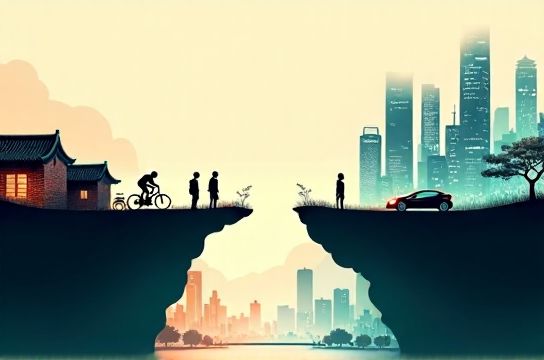
China’s urban population now makes up 65.2% (2023 data), but that still leaves over 500 million people living in rural areas. And while cities dazzle with tech hubs and high-speed rail, rural regions preserve traditions, dialects, and community rhythms that many urbanites have long forgotten.
The Daily Life Divide
In Beijing or Shenzhen, life moves fast. Commutes average 45–60 minutes, digital payments are non-negotiable, and '996' work culture (9 AM–9 PM, 6 days a week) is common. Meanwhile, in villages across Sichuan or Guizhou, mornings start with roosters, not alarms. Cash still changes hands, and farming seasons dictate daily routines.
Cultural Values at Play
Urban Chinese tend to value individualism, career success, and global trends. TikTok dances, bubble tea, and studying abroad dominate youth culture. In contrast, rural communities emphasize family duty, ancestral respect, and collective well-being. It’s not unusual for three generations to live under one roof—something increasingly rare in cities.
This isn’t just nostalgia—it’s survival. With limited access to healthcare and education, rural families rely on tight-knit support systems. A 2022 survey found that 78% of rural residents depend on relatives for elder care, compared to just 42% in cities.
Economic Reality Check
Here’s where things get real:
| Indicator | Urban Average (2023) | Rural Average (2023) |
|---|---|---|
| Per Capita Income | ¥78,000 | ¥20,000 |
| Internet Penetration | 95% | 67% |
| Higher Education Rate | 62% | 18% |
| Life Expectancy | 82 years | 74 years |
These numbers aren’t just stats—they shape worldviews. When your village has spotty Wi-Fi and the nearest university is 10 hours away by bus, dreams look different.
Bridging the Gap?
Thankfully, change is brewing. E-commerce platforms like Pinduoduo have turned remote farmers into online sellers. Government programs are expanding rural broadband and vocational training. And younger generations—many born in villages but raised in cities as migrant workers’ children—are becoming cultural translators.
They’re the ones teaching grandma how to use WeChat video calls, while also bringing mooncakes back to the village during Mid-Autumn Festival. This hybrid identity might be the key to closing the perception gap—not by erasing differences, but by respecting them.
So next time you hear about China’s rise, remember: it’s not just built on city skylines. It’s rooted in the soil, sweat, and silent strength of its countryside.