
Education Pressure in China The Hidden Cost of Academic Success
- Date:
- Views:260
- Source:The Silk Road Echo
In the hustle and bustle of modern China, academic success isn’t just a goal—it’s an expectation. From the moment kids start school, they’re on a high-stakes journey fueled by endless homework, intense competition, and sky-high parental hopes. But what does this pressure really cost? Let’s dive into the real story behind China’s education system—one that’s as inspiring as it is exhausting.
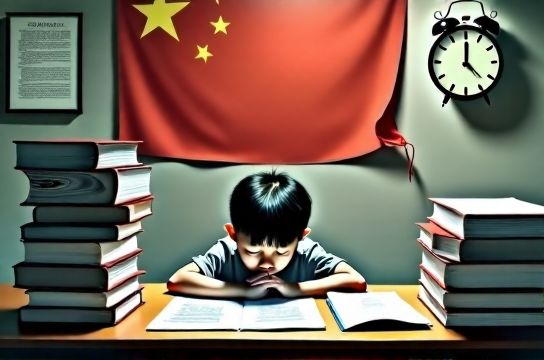
The Daily Grind: What Students Actually Face
Imagine waking up at 6 a.m., studying until midnight, and doing it all over again—with weekends packed with cram schools. That’s the reality for millions of Chinese students. According to a 2023 survey by the China Youth Daily, middle schoolers spend an average of 9.5 hours per day on academic work. For high schoolers prepping for the Gaokao (China’s national college entrance exam), that jumps to 11+ hours.
Why so much stress? Because the Gaokao isn’t just a test—it’s a life-defining event. With top universities accepting less than 5% of applicants, the stakes are enormous.
By the Numbers: A Snapshot of Education Pressure
Buckle up—here’s a breakdown of what life looks like under the microscope of China’s academic machine:
| Metric | Data | Source |
|---|---|---|
| Average daily study time (middle school) | 9.5 hours | China Youth Daily, 2023 |
| High schoolers studying past midnight | 68% | Ministry of Education Survey |
| Students attending after-school tutoring | 75% | Pew Research Analysis |
| Top-tier university acceptance rate | <5% | China Education Blue Book |
| Youth reporting anxiety or depression | 42% | WHO-China Joint Study |
The Emotional Toll: More Than Just Tired Kids
All this pressure doesn’t just lead to fatigue—it’s sparking a mental health crisis. A 2022 WHO report found that nearly half of Chinese teens show signs of anxiety or depression, with academic stress being the #1 trigger. Tragically, suicide is now the leading cause of death among Chinese youth aged 15–24.
Parents aren’t immune either. Many live vicariously through their children’s grades, spending a jaw-dropping up to 30% of household income on tutoring and enrichment programs. It’s not uncommon for families to mortgage homes just to afford elite prep courses.
Is Change on the Horizon?
Thankfully, China’s government has noticed. In 2021, Beijing launched the "Double Reduction" policy, banning excessive homework and for-profit tutoring. While well-intentioned, results have been mixed. Tutoring has gone underground, and the Gaokao still looms large.
Some schools are experimenting with wellness programs, mindfulness training, and reduced testing. But systemic change takes time—and cultural mindset shifts even longer.
What Can Be Done?
Real solutions mean redefining success. We need to celebrate creativity, emotional intelligence, and personal growth—not just test scores. Parents can help by focusing on effort over results. Educators should push for balanced curricula. And policymakers must invest in mental health resources.
After all, a child’s worth shouldn’t be measured by a single exam.
Final Thoughts
China’s education system produces some of the world’s most disciplined and knowledgeable students. But at what cost? As one high schooler quietly told a reporter: “I’m good at passing tests… but I don’t know who I am.” That’s the hidden cost of academic success—and it’s one we can no longer ignore.