
Social Phenomena China Why Quiet Quitting Is Spreading Among Young Workers
- Date:
- Views:222
- Source:The Silk Road Echo
In recent years, a subtle but powerful shift has been rippling through China's workforce—especially among the young. It’s not loud, it doesn’t involve protests or resignations, but it’s real: quiet quitting. You won’t hear people shouting about it in the streets, but open any social media platform like Xiaohongshu or Douban, and you’ll see threads flooded with phrases like “I’m just doing my job” or “no overtime, no extra effort.” So, what’s really going on?
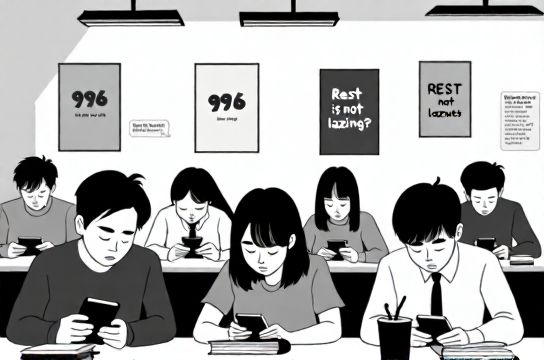
Quiet quitting isn’t about leaving your job—it’s about mentally checking out. Employees still show up, clock in, and complete assigned tasks, but they draw a hard line at going the extra mile. No more unpaid overtime, no weekend emails, no emotional investment in corporate goals. For many Chinese youth, this is a form of silent resistance against a work culture that’s long glorified overwork.
Let’s talk numbers. A 2023 survey by Zhaopin, one of China’s largest job platforms, found that 64% of workers born after 1995 admit to practicing quiet quitting to some extent. Meanwhile, average weekly working hours in urban China sit at around 47.8 hours, far exceeding the legal limit of 40—yet enforcement remains weak.
| Generation | Engagement Level | Willingness to Work Overtime | Main Job Priority |
|---|---|---|---|
| Post-90s | Medium | 48% | Salary & Promotion |
| Post-95s | Low | 32% | Work-Life Balance |
| Post-00s | Very Low | 19% | Personal Well-being |
The data speaks volumes. Younger generations are redefining success. Where their parents valued stability and seniority, Gen Z values freedom, mental health, and authenticity. This mindset shift didn’t happen overnight. It’s rooted in years of witnessing the cost of China’s “996” culture—working from 9 AM to 9 PM, six days a week. Once seen as a badge of honor, it’s now viewed by many as exploitation disguised as ambition.
Take the tech industry, for example. Once the golden ticket to wealth and status, companies like Alibaba and Tencent have seen rising employee burnout. In 2022, internal surveys revealed that over 60% of tech workers under 30 reported symptoms of anxiety or depression—double the rate of older colleagues.
But quiet quitting isn’t just a rebellion—it’s also a survival strategy. With youth unemployment hovering near record highs (officially at 14.9% for ages 16–24 in mid-2023), many feel trapped: they can’t quit because jobs are scarce, but they refuse to suffer silently. So they disengage—quietly, deliberately.
Employers are starting to notice. Forward-thinking companies are introducing “no-meeting Fridays,” flexible hours, and even nap rooms. But for many traditional firms, change is slow. The result? A growing disconnect between management expectations and employee reality.
So where does this leave us? Quiet quitting may seem passive, but it’s actually a powerful signal. It says: We want dignity, balance, and purpose—not just paychecks. As China’s economy slows and workplace norms evolve, this quiet revolution might just be the wake-up call corporations need.